
The Mechanics of Obliviousness
An excerpt from one of the last interviews with Elaine Dewar
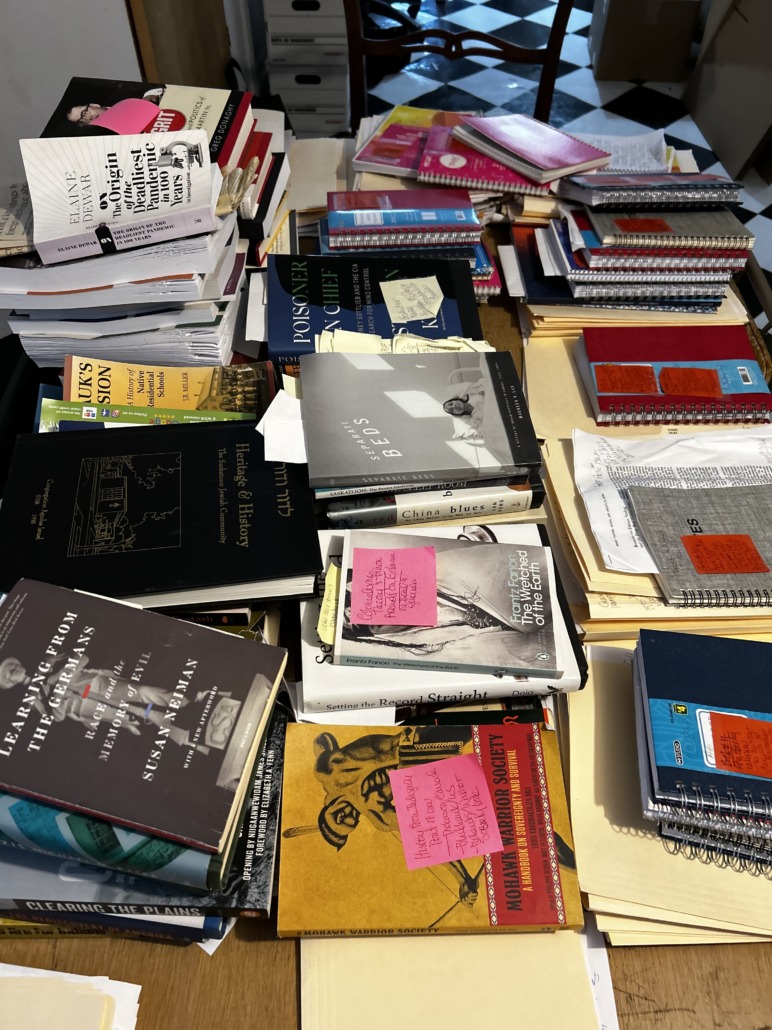
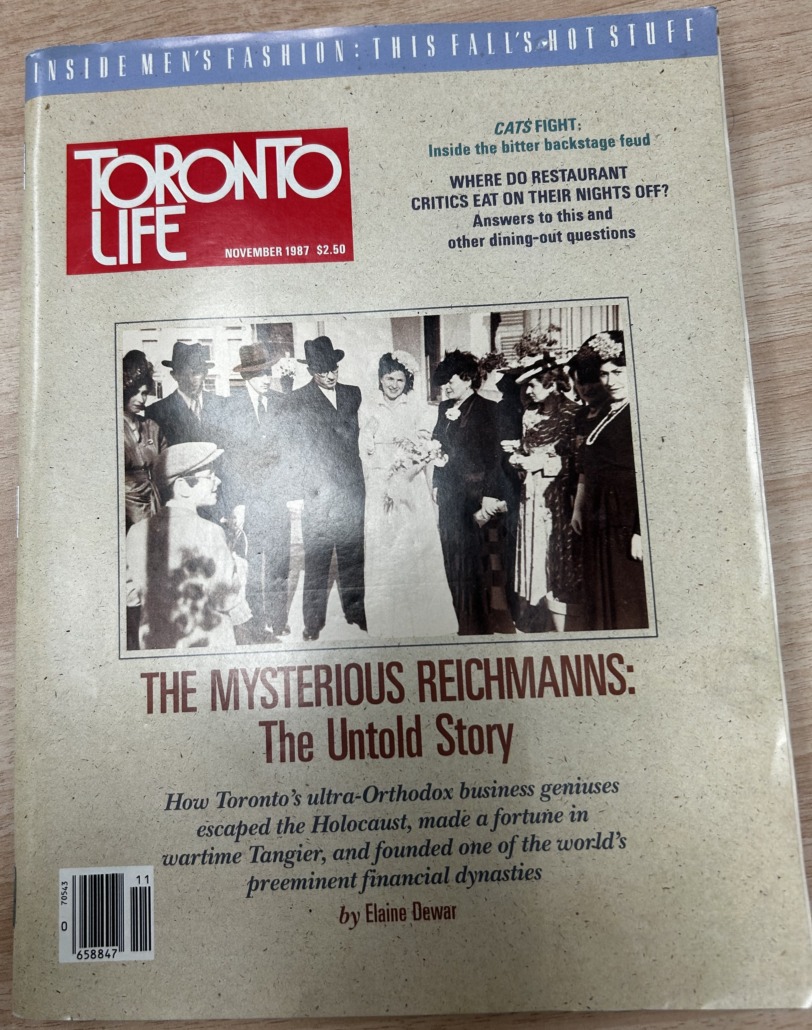
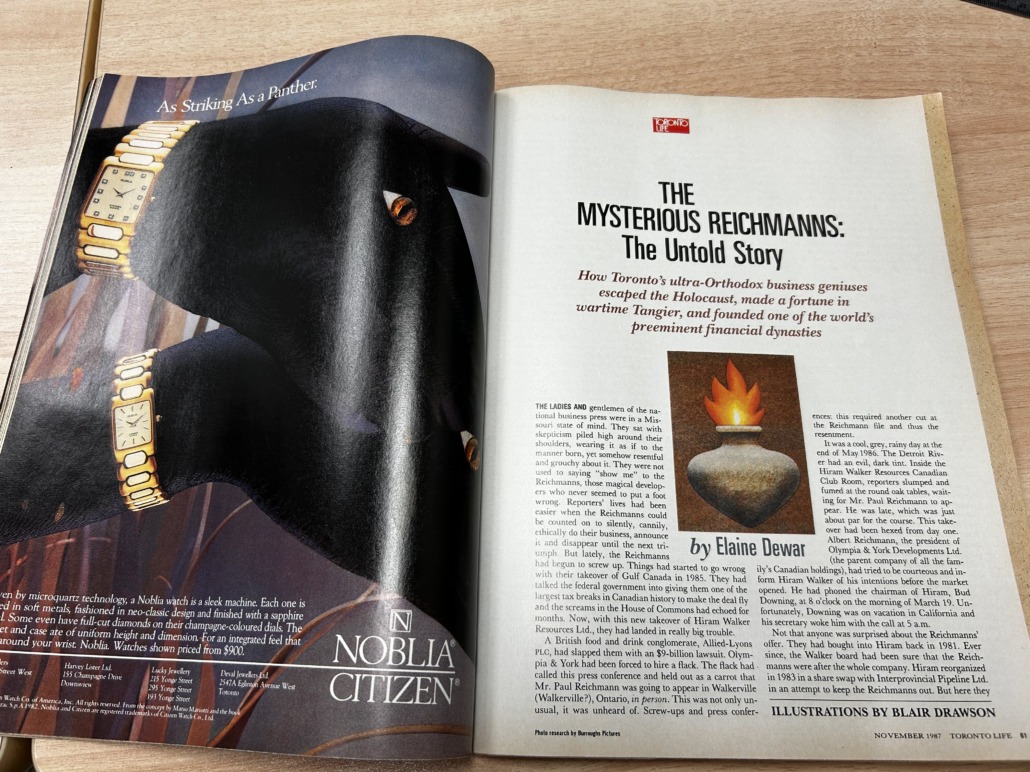
I was heading down I-75 in Michigan on a short family vacation almost four years ago to the day that I am writing this note when my phone rang. It was Elaine Dewar. She’d been contacted by an Indigenous psychologist and teacher of Native Studies, Roland Chrisjohn, who had worked on the Truth and Reconciliation Commission, and he had urged her to investigate what he claimed were a series of unethical experiments conducted on Indigenous students by McGill psychologist Ewen Cameron as part of MK-Ultra. I was almost embarrassed to admit that I had no idea what she was talking about. She filled me in on the background. Her nose was tingling, she said; she could smell a big story, and though she wasn’t yet exactly sure of its contours, she knew she was on the cusp of something important. I had already worked with Elaine on two previous books and I knew enough to trust her instincts. I told her to keep at it and to let me know if she discovered anything.
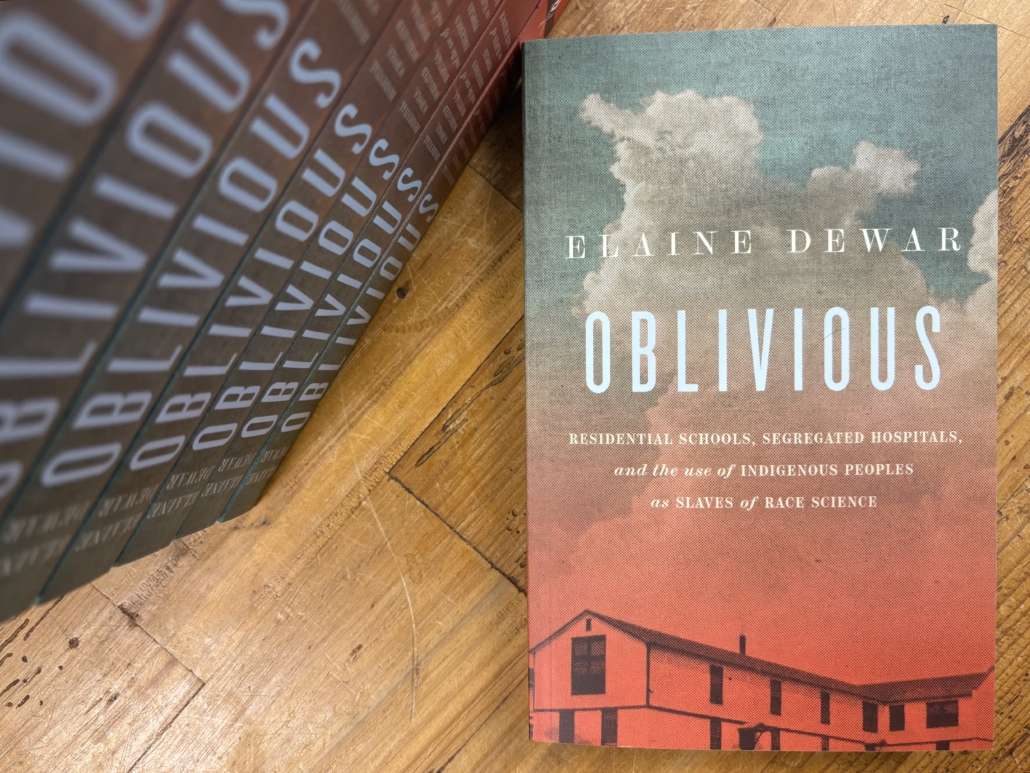
What Elaine discovered is the subject of her final, most personal, and arguably most important book, Oblivious: Residential Schools, Segregated Hospitals, and the Use of Indigenous Peoples as Slaves of Race Science. If she found no evidence that Ewen Cameron conducted such experiments on Indigenous students, she found ample evidence that a range of unethical and race-based experiments had been performed over several decades on large swaths of Canada’s Indigenous population, often under false pretenses, dangling health care as a lure to command obeisance. As she dug, she also learned about the segregated Indian hospital system, which brought her back to her childhood in Saskatchewan as the daughter of a doctor, and challenged her to question how it is that she had remained so oblivious to what was happening to Canada’s Indigenous people for so long. So Elaine turned her fierce journalistic eye on herself to fact-check what she knew, what she should have known, and what governmental and psychological machinery had contributed to her own (and all of our) obliviousness in what she came to think of as Mississippi North.
The resulting book is many things: it’s a memoir of a young Jewish girl who grew up in the post-war prairies—the best place and time to be Jewish in the history of her people—and the story of how she became one of the fiercest investigative journalists this country has seen. It’s also an investigation into decades of unethical race-based experiments conducted by leading academics, institutions, and the government that did irreparable harm to Indigenous communities. It’s an investigation into the segregated Indian hospital system which existed in Canada for most of the twentieth century and still remains largely unknown outside of academic study; and it reveals that we gave control of substantial parts of Indigenous healthcare in the country between the mid-50s and 70s to a former Nazi doctor immersed in that regime’s ideas of hygiene, who came to the country in the early 1950s as a farm labourer before getting his accreditation and heading to the North, where he wielded tremendous authority over Indigenous people. It’s a book about the serial betrayal of trust, and the damage that continues to the present day as a result of it; and what must be done to acknowledge it if we’re ever going to repair the relations between Canada’s Indigenous people, our institutions, and the rest of our population. And perhaps most importantly, it’s an investigation into what she calls variously the machinery and architecture of obliviousness, the policies and beliefs and institutions and stories that allowed people not to see, or to quickly forget, the evidence that our country was complicit in the genocide of its Indigenous people.
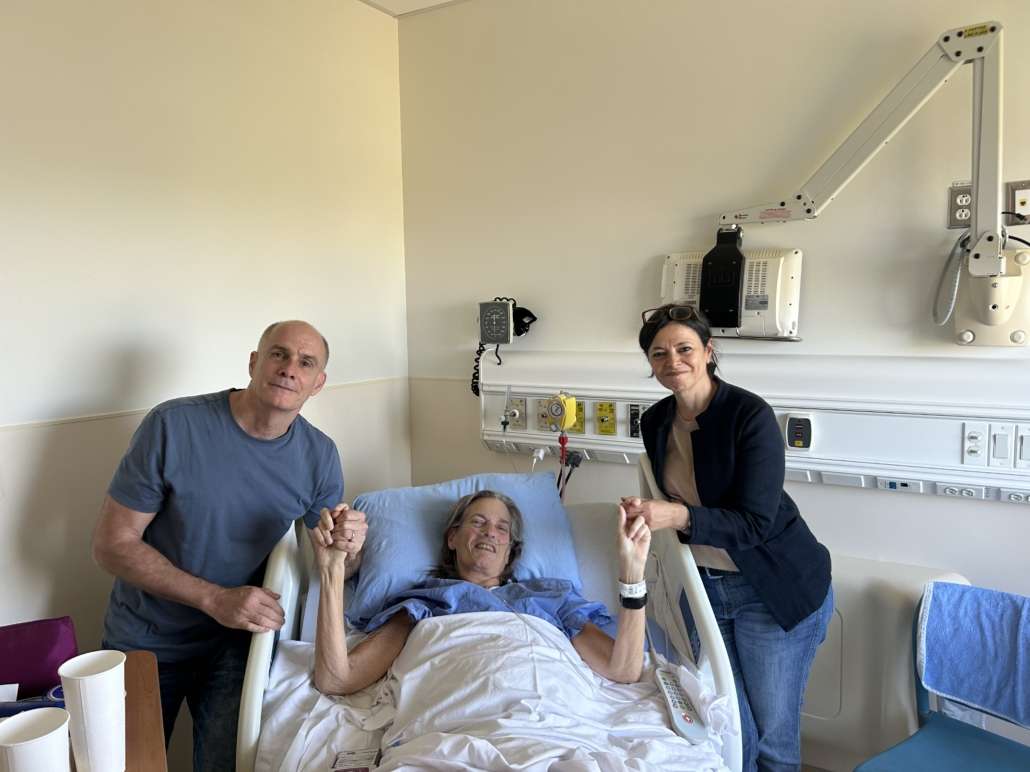
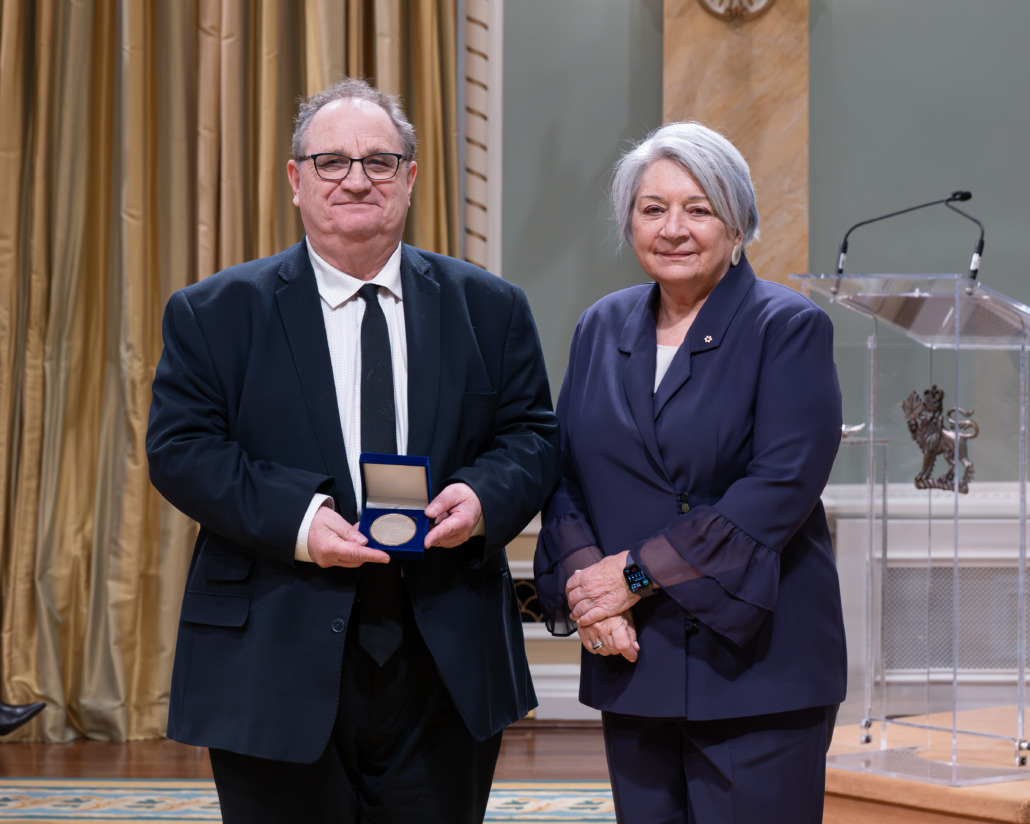
Elaine Dewar died after a short battle with an aggressive cancer in September 2025. I went to Toronto to work with her in hospice to finalize editorial before she ended her life via MAID; working with her over those days was one of the greatest and hardest pleasures of my professional life. I try to keep her example front of mind when I feel overwhelmed: her intelligence, care, humour, and rage at injustice continued until the end. As did her faith in her readers. It was you, about to embark on this, her last book, which provided her solace; that she’d been given enough time to do this necessary work and lay out her case. In this way, Oblivious is both a private and public accounting. Like Elaine, I too place my faith in you, and together this book will teach us to face up to what most of the time we’d prefer not to see, in the perpetual hope that we can together continue to move the needle in the direction of justice.
With respect and appreciation,
Dan Wells
Publisher
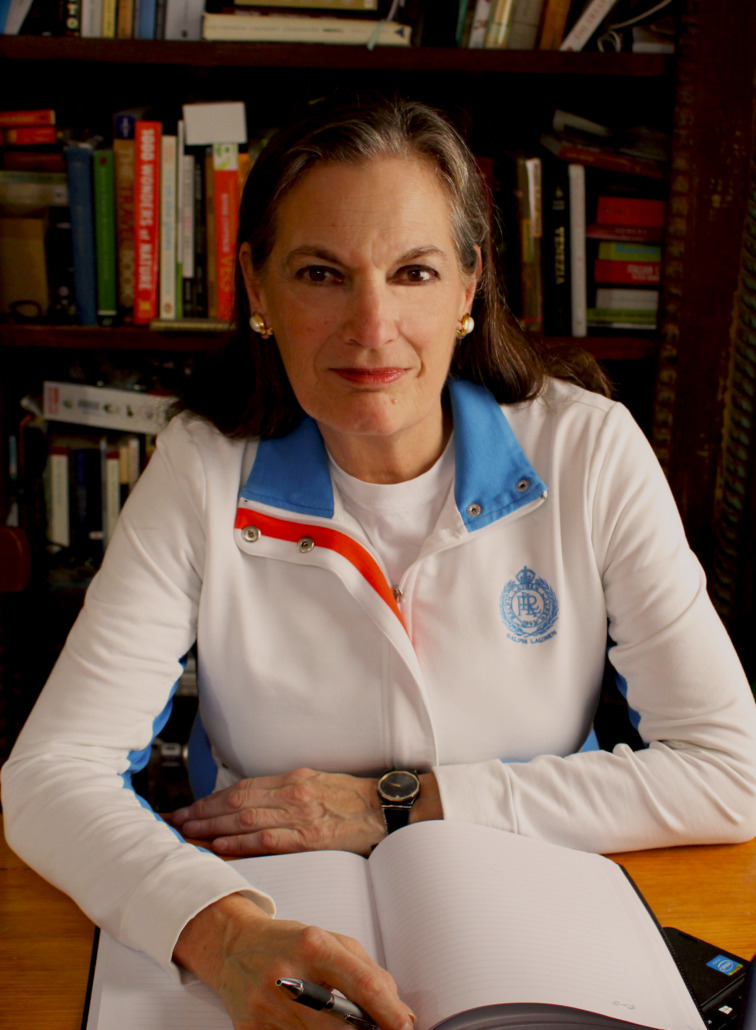
Below is part of an interview between Elaine Dewar and friend and journalist Marci McDonald, recorded on September 15, 2025.
MM: How did this whole thing begin?
ED: I got an email from a guy named Roland Chrisjohn who, in his younger years, was one of the founders of AIM Canada. So, back in the 1970s, he was already an activist with regards to Indigenous people. He sent me an email demanding that I investigate the genocide of Indigenous people in Canada by the government of Canada. And I sort of looked at the email, and the question in my head was: “Delete or not delete?” Is this just another guy who has questions he can’t resolve for himself and can’t let it go, or is this a guy who actually knows something? And it turned out he knew quite a lot, starting with what a genocide really is. So that’s how it started: one email, one query.
What was the most shocking revelation to you?
That there was a whole group of so-called “Indian hospitals” that were set up, mainly in the west between 1945 and 1981, where Indigenous people were treated in substandard conditions, by doctors and nurses who often did not have qualifications. And that I had walked by one of them probably every day for two weeks and never noticed the word “Indian” hospital—as in, segregated hospital—at all.
It said that I lived in a segregated society that was so perfect in its segregation that I never noticed. It resonated with everything going on in the United States with the civil rights movement, with what happened to Jews in Germany between 1933 and 1945 . . . It was inconceivable to me that we lived in the same society.
Now, this began with an assignment to find out if there was a genocide, which is a very charged word. And before I read your book, I didn’t know that it was coined in relation to the Holocaust. At what point did you realize that these two seemingly disparate narratives had a link?
The thing that disturbed me about the use of the word [genocide] was numbers. I was looking at 6 million people, at least, who were murdered between 1942 and 1945. Compare that to what the Truth and Reconciliation Commission put forward as the possible numbers of deaths in the residential schools: between 3,000 and 4,500 over the course of 150 years. So 6 million in 3 years or 3,000–4,500 across 150 years. As soon as I looked at these numbers, I thought we can’t be talking about the same phenomenon. And yet, when I read John Milloy’s book—which he drew from the research he did for the Royal Commission on Aboriginal Peoples in the 1990s—the meanness, the torture, the unbelievable cruelty of the residential school system really began to change the shape of the ideas in my head about what a genocide is.
It also mattered that the Truth and Reconciliation Commission called it a cultural genocide, which is not a term in Genocide Convention law. Cultural genocide, in [Milloy’s] view, was a way of escaping the truth. I wasn’t so sure about that, because Lemkin—who actually created the word—his view was that the genocide in Germany began with the rules and laws and regulations post the Nazi election of 1933, that cultural genocide is the precursor of physical genocide. And what Canada was doing was wiping out the cultural history, the sense of self, that makes Indigenous people Indigenous people. The point was to get rid of all of it, to turn them into taxpaying, non-revenue-receiving Canadians.
So that’s a theoretical / thematic link. When did you find there might be an actual link?
I was reading up on the science done by Nazi physicians on Jews, Slavs, prisoners of war. And what I saw was a level of cruelty that was just unspeakable. But not that far off the beaten path, in northern Canada . . . entire Indigenous communities became human subjects. The lure of medical care was used to allow physicians, physical anthropologists, nutritionists, to have free access on the grounds that they were acting in a beneficent way.
They [Indigenous people] were specimens, slaves of race science . . . No permissions. We know, from the survivors, that they thought they were just being treated for medical issues . . . except that it hurt.
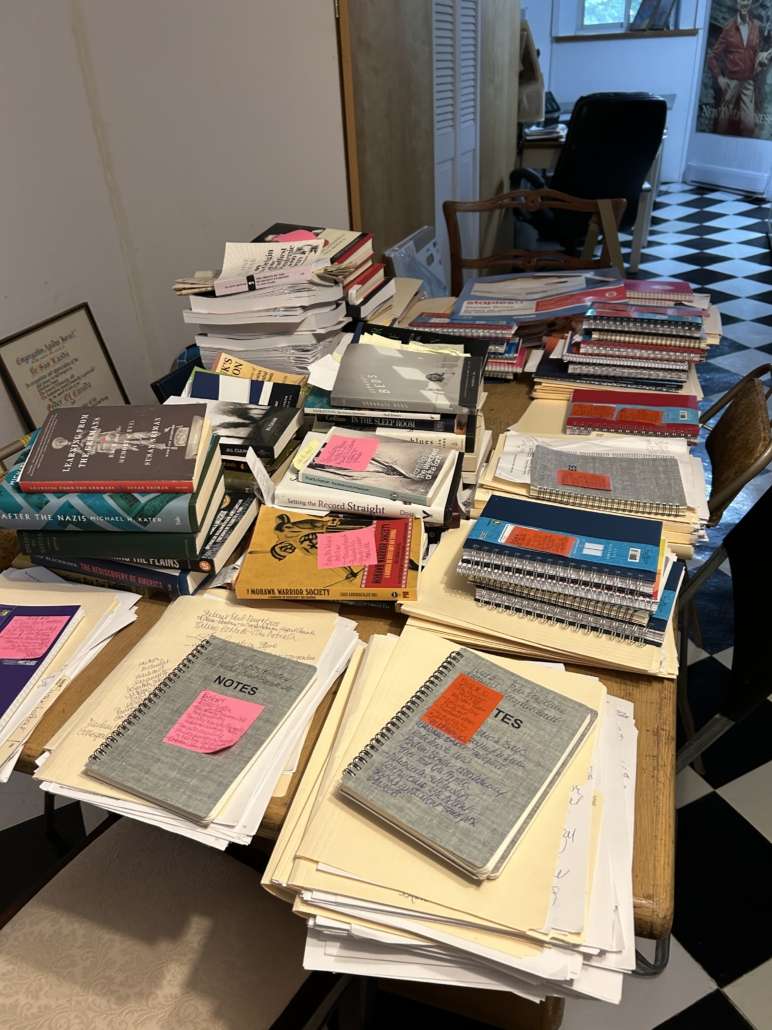
What about Otto Schaefer?
Otto Schaefer had a very interesting history, which he tried very hard to cover up. He was studying as a medical student in Nazi Germany, at Heidelberg. He studied under the leaders of Hitler’s hygiene program, which was their science of race. And their race science was based on the notion that Aryans were somehow the top rung of human beings, and everybody else was way down below, and at the very bottom were what were called Untermenschen, meaning ‘sub-humans’. Jews are described as sub-humans; Slavs are described as sub-humans; and to sub-humans, in Germany, anything could be done.
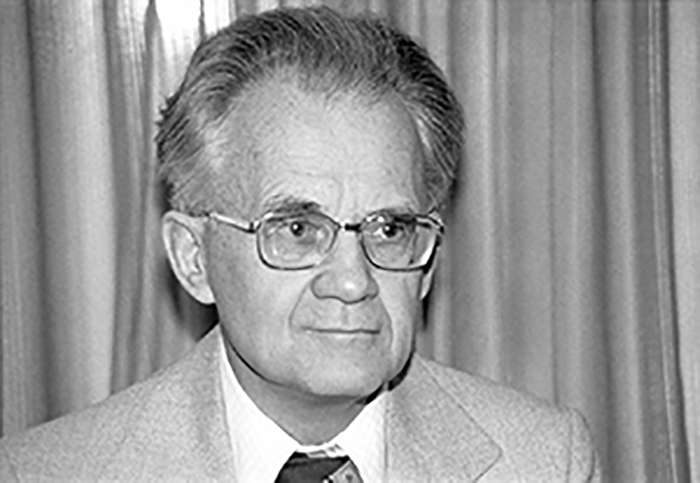
And Schaefer came to Canada why?
He apparently read Rasmussen and Boas, who were early investigators of Inuktituk societies. And he told everybody that that’s what he really wanted to do: to come to Canada and study the Inuit.
He ends up, within two years, in charge of the Arctic, in charge of medicine delivery to both Dene and Inuit communities across the North. By 1974, I believe, he’s in charge of research all across the Arctic for the government of Canada.
And he gets an Order of Canada the same year as my mum and dad. That was one of the more disturbing moments: when I realized it was the same year [1976].
This ends up as an indictment of the Canadian medical society. Willful ignorance, willful blindness . . .
Racism. The notion that some people are better than others. That some people deserve protection, and others do not. The CMA apologized to an Indigenous community in British Columbia, and I read the documents that they posted to explain the nature of their apology. What they clearly did was go through their own archival material to see how often they asked any questions about the health of Indigenous people, and what was being done and not being done. They missed almost all of it: they didn’t ask any questions. I don’t know how much deeper of an indictment I can come up with than that.
What do you want people to take away from this book?
That we can’t be oblivious to each other, that we have to respond to suffering. We have to look at it, in its face, and respond to it, and not run away.
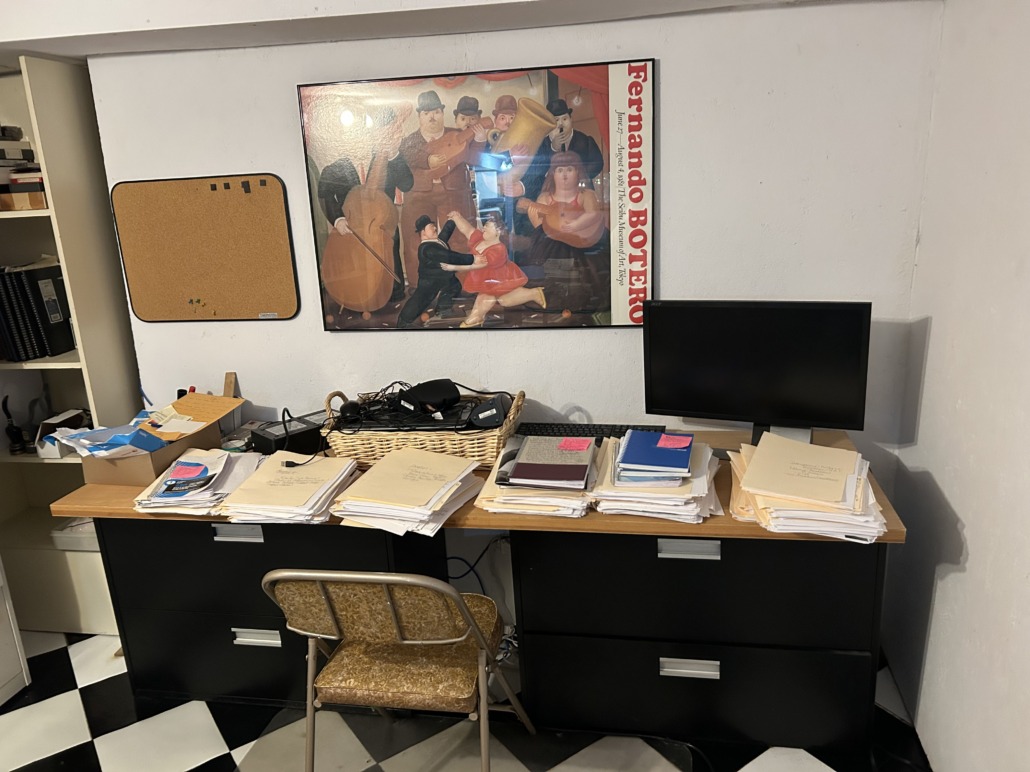
You talk about the mechanics of obliviousness. What does that mean?
One of the things I was really anxious to understand: Was any of this written about anywhere? And two things were just astonishing to me. One: there was almost no actual history written about Indigenous peoples in this country until John Milloy followed on his research for the Royal Commission on Aboriginal Peoples. And that’s in the 1990s. And the other thing: What about my senior colleagues? Did they write about this? Did they investigate it? Did they do anything about it?
The mechanics of oblivion and obliviousness seem to me about leaving things out of the narrative. And by leaving things out, you create the capacity to ignore what’s in front of your face. It’s not written about, not in a really thorough way. It’s not described with language particular to us. There is no history; there’s nothing until the 1990s.
So, all those years I’m oblivious, it’s because we’re leaving things out of the story. Because they’re uncomfortable.
So how do we change that?
We better be uncomfortable. We better be better journalists. We better remember who’s afflicted.
In good publicity news:
- Smash & Grab by Mark Anthony Jarman was reviewed in The Miramichi Reader: “You may be caught in the middle of a Jarman story wondering what exactly is going on, but you will never be caught in the middle of a Jarman story bored. Jarman’s language here, as always, is pyrotechnic.”
- The Notebook by Roland Allen got a shout-out from Ryan Holiday on MSN NOW, as part of his recommended reading list.
- Sacred Rage by Steven Heighton was reviewed by Anne Logan in I’ve Read This: “I think of Heighton as a true artist in every sense of the word . . . It’s a fitting tribute to a writer lost too soon.”