
The sound of the crowd

Welcoming baseball season with an excerpt from On Sports by David Macfarlane
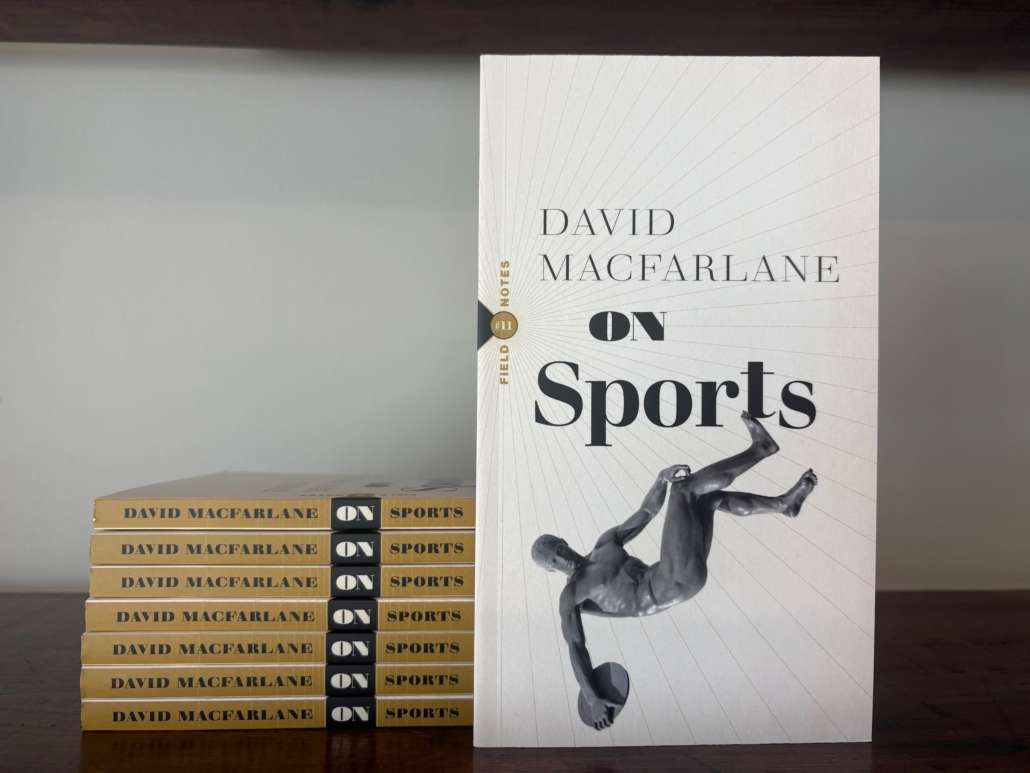
On Sports by David Macfarlane (Field Notes #11). Series designed by Ingrid Paulson.

It’s the start of baseball season. I’m sure most of you already knew that. I don’t watch much baseball these days. To be honest, I don’t even really remember the rules, and can’t remember if I ever have. I love the movies though (Bull DurhamField of DreamsAngels in the Outfield, etc.) and have seen them countless times. They bring to mind happy memories. As a kid, they inspired me to play sports (badly) and watch games live, which gave me and my friends something to look forward to as the seasons and years went on. We’d rendezvous in the playground to discuss how our team (be it the Winnipeg Jets, Goldeyes, or the Bombers) were doing and what they should be doing better. Like I’m sure many of you have. But that was back then. Today watching pro sports can feel like kind of a drag. Like most things nowadays, too much money and greed has ruined a good thing. Now it’s harder than ever to enjoy sports because of online gambling, the increased cost of tickets to attend a game or even just to stream it, and the noise and spectacle that only distracts you from the game itself in an attempt to keep your attention to sell you more ads.

Something you may not know is that this week also saw the publication of David Macfarlane’s On Sports in Canada (it’s out in the US on April 7th), the latest addition to our Field Notes series. On Sports is a book that responds to our collective exhaustion with the commodification of sports, but in a charming, meandering way. This is a nostalgic book. At times it almost feels like an elegy to a time when watching sports was about the games and the athletes and less about people’s parlays and the TV incessantly hitting you with BetMGM ads. But it’s also rather funny and heartwarming. I found it to be a delightful love/hate letter from someone who cares deeply about sports and the amazing things athletes can do, and who is also deeply disappointed with the commercialisation of competition. Reflections on some of the biggest stories in the sports world are interspersed with anecdotes from his childhood and his days as a sports writer, and it’s wonderful how he’s able to weave all these threads together to paint of picture of what sports have meant to us and what they no longer mean today.

Personally, my experience with sports the last few years had been just occasionally glancing at the TV in whatever bar my friends and I happen to be in that day and sometimes commentating on what’s happening on screen but not really paying attention. Or rewatching Bull Durham. But reading On Sports, I was reminded of all the significant impressions sports have left on my own life, which is a beautiful thing a book can give you, and left me somewhat hopeful as reading how much Macfarlane cares for baseball, hockey, football or any sport really, made me pay more attention to them in a way I had almost forgotten how to do.

So to kick-off the start of the season, please find below a short excerpt from an early part of the book, where Macfarlane reminisces about attending a Blue Jays spring training game and reflects on the joys of being amongst fans just watching a baseball game.

All my best,

Ahmed
Publicist


Spring

An excerpt from On Sports
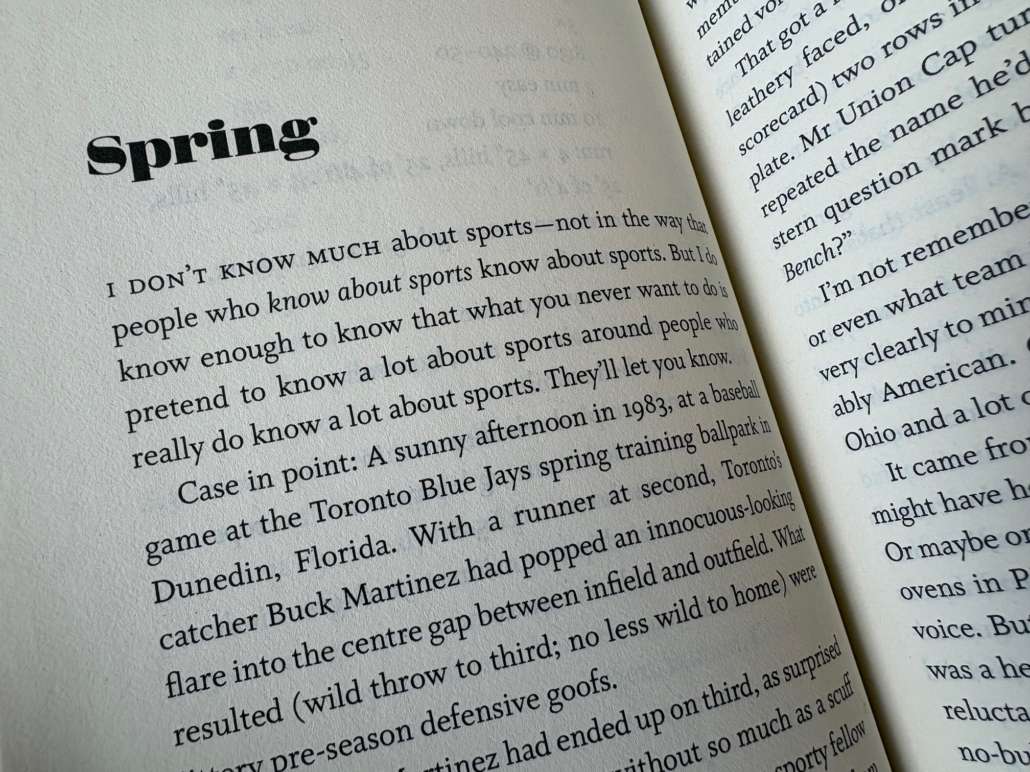
Interior of On Sports, featuring the chapter excerpted below.

I don’t know much about sports—not in the way that people who know about sports know about sports. But I do know enough to know that what you never want to do is pretend to know a lot about sports around people who really do know a lot about sports. They’ll let you know.

Case in point: A sunny afternoon in 1983, at a baseball game at the Toronto Blue Jays spring training ballpark in Dunedin, Florida. With a runner at second, Toronto’s catcher Buck Martinez had popped an innocuous-looking flare into the centre gap between infield and outfield. What resulted (wild throw to third; no less wild to home) were jittery pre-season defensive goofs.

As a result, Martinez had ended up on third, as surprised as anyone to be standing there without so much as a scuff of baseline dirt on his pants. That was when a sporty fellow (lime-green polo shirt, cargo shorts) a few rows down from my seat stood and shouted, “Attaboy, Buck.”

I don’t think Mr Lime-Green expected to be heard so clearly by so many people. His exclamation happened to coincide with a momentary pause in the cheering, as if all the happy Toronto fans were catching their breath at the same time. Mr Lime-Green was suddenly conspicuous.

Having inadvertently claimed the attention of the crowd, he felt compelled to say something more than “attaboy.” Baseball is a sport that traditionally demands a certain wit and knowledge from its more outspoken audience members. So Mr Lime-Green added, jauntily and with sustained volume, “Johnny Bench has got nothing on you.”

That got a reaction. Specifically, it got a reaction from a leathery faced, old-school baseball fan (UAW ball cap, scorecard) two rows in front of me, a little closer to home plate. Mr Union Cap turned slowly and deliberately. He repeated the name he’d just heard and affixed not just a stern question mark but also, somehow, italics: “Johnny Bench?

I’m not remembering the game. I can’t recall who won, or even what team Toronto was playing. What I can bring very clearly to mind, though, is that voice. It was unmistakably American. Gravelly. Unadorned. At a guess, I’d say Ohio and a lot of Luckies.

It came from an older generation of voices—voices you might have heard on an aircraft carrier in the Pacific in ’43. Or maybe on the line at a Ford plant in Dearborn or the coke ovens in Pittsburgh after the war. It didn’t talk a lot, that voice. But it knew claptrap when it heard it. It knew who was a hero and who wasn’t. It was a voice that, when it was reluctantly put to use, had something to say. The voice of a no-bullshit collectivity of America that is, alas, long gone. Lost and by the wind grieved. Missing in the din of podcasts and comments and panel debate. That tough old Lucky Strike voice. Is there a sadder lyric in the American songbook than “Where have you gone, Joe DiMaggio?”?
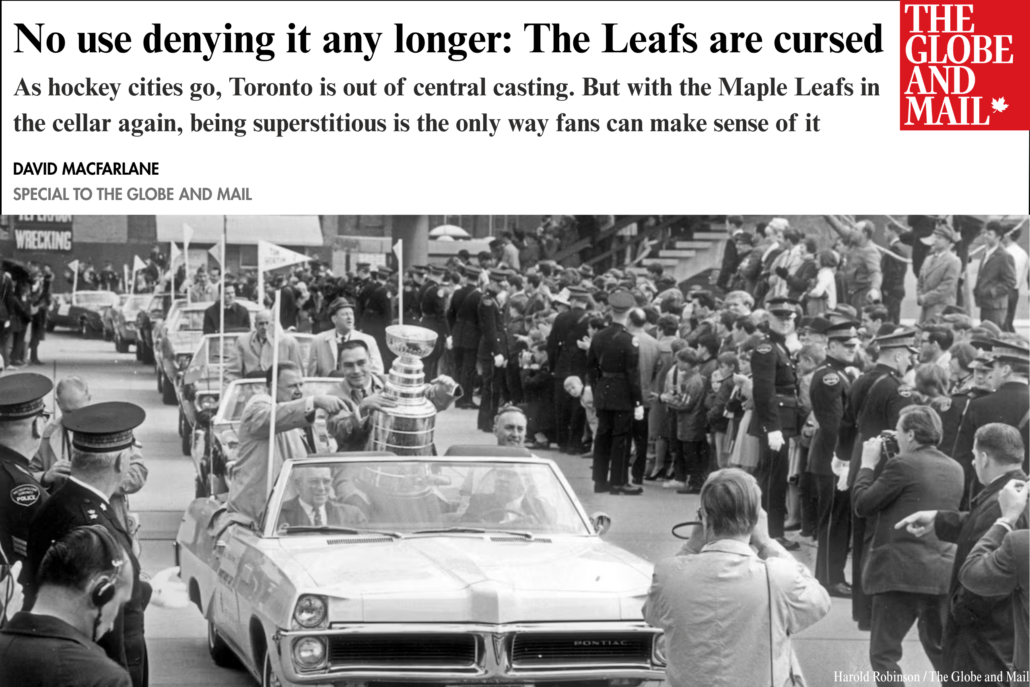
For more on sports, check out David Macfarlane’s recent op-ed on hockey in the Globe and Mail.

Martinez getting to third without so much as a pro forma slide on a midfield bloop that should have been a single, if that, was the cause of giddy celebration among Blue Jays fan—which is to say, in Dunedin, almost everybody. A hometown crowd’s volume doesn’t distinguish much between crazy-good luck and skill. A stand-up triple is a stand-up triple.

I thought I heard something in the cheering that was more than robust applause. There was a cocky effervescence that I wasn’t sure I’d heard from a Toronto crowd before. To call it a swagger would be an exaggeration—an Americanization, in fact—but it was a happy assertion of Canadianness that you wouldn’t have heard from northern visitors to Florida of previous generations—especially in regards to something as American as baseball. At least that’s what I wrote in my article, although it should be taken into account that I was a magazine writer looking for a story and inclined, therefore, toward meaningful explanations of things that may have had no meaning at all. The crowd’s cheerfulness may only have been the burble of sun-screened holidayers. Toronto fans simply happy to be warm.

Mr Union Cap did not burst the bubble of the crowd’s enjoyment. He was on the funny side of serious, but only just. There was something good-natured in his gruffness, as if he recognized that he was a stock character—a curmudgeonly, old-school baseball fan of the sort who was (as I did not then realize) an endangered species.

Before the advent of powerful sound systems and giant screens, sporadic volleys of unscripted commentary bounced back and forth between fans in the stands. There were always a few such self-appointed colour commentators per section, some of whom were funny, some of whom were knowledgeable, some of whom were both. They had something to say in a sort-of public, sort-of performative way.

The first real baseball game I went to (meaning a game with lights, players in uniform, umpires, ads on the outfield fence, green grass, red-dirt base paths, and thirty-five cent admission) was in the summer of 1960, in Grand Falls, Newfoundland. I was eight years old, in the company of my grandfather. Not a small man. Rarely seen without battered fedora and briar pipe. Known by everybody in Grand Falls. He was, shall we say, a colourful figure, and his voice was a voice with audibility in a crowd—perhaps because it was a few octaves lower than most.

“No need for a mound,” he garumphed as Corner Brook’s lanky pitcher unfolded his beanpole of a frame from the visitors dugout. “Dig him a hole, lads. Dig him a hole.”

Not the funniest line in the world, but one that has stayed with me all my life because I think it was the first time I heard somebody talk like that—a joke, a comment, an observation, made at a volume intended for public consumption but as if in a living room of friends, which is how ball parks used to sound.

By the end of the Grand Falls game, I’d concluded that half the fun of baseball was what my grandfather said about the players on the field and what the people around us said to my grandfather.

A lost art—killed by the kiss-cam. Drowned-out by ads and promotions. But there was a time when the expression of deep baseball insight from somebody a couple of rows over was part of the general fun of a ball game. They were characters, those guys. It was hard to know with old-school baseball fans if they were acting like they were in a Damon Runyan story or that’s the way they really were.

Mr Union Cap had something to say. It was what you used to expect at a ball park—a voice that knew baseball cutting through the cheerful hubbub of a crowd. Possibly, the tremolo of excitement in the Dunedin stands that afternoon was only the fun (rare then, almost extinct now) of going to a non-blaring, non-big-screen-dominant, non-merch- selling, non-ad-blasting ballpark to watch ballplayers play baseball. On a nice spring day. Undistracted by electronic loudness and pixelated screens and ads and contests and walk-up songs and who knows what all.

Photo: David Macfarlane.

My friend, the writer Alison Gordon, who died unexpectedly in 2015, covered the Blue Jays for the Toronto Star for five seasons. (By way of establishing Gordon’s unusual range of life experiences, I shall here insert a segue-defying biographic detail: Some years before Alison Gordon became the first female reporter in the American League, she was in the hotel bedroom in Montreal with Yoko Ono and John Lennon when they recorded “Give Peace a Chance.” One of those voices is hers.)

Gordon had her likes and dislikes, and much as she loved baseball she didn’t care for the bombast of a contemporary ballpark. She once proposed to Blue Jays executives that a single home-game per season be designated Old-Fashioned Day and the ballpark be allowed to sound like ballparks used to. Ballparks where you could say something, if, that is, you had something to say. Ballparks where you could cheer when you felt like cheering. And jeer when you felt otherwise.

And what happened to her proposal, I asked her at the last baseball game we attended together. She passed me the unshelled peanuts while Mötley Crüe or AC/DC or Metallica loudly walked-up the next batter. What do you think happened, she shouted pleasantly.

A quaintly lower decibel level was one of the things that made spring training so much fun. Those old Florida ballparks were smaller, friendlier, quieter, more intimately idiosyncratic.

Spring training was a magical idea. It was proof to the skeptical Canadian that, even though it might seem otherwise (in the north, in February) planet earth wasn’t frozen in space. Winter, as far as Alison Gordon was concerned, was the dark side of the moon—a time to sip a whisky by the fire, talk with friends, laugh, and wait for the season to turn. As it would, of course. Eventually. But spring came earlier in Florida than it does in Toronto. It used to be fun to meet it at a ball game.


In good publicity news:

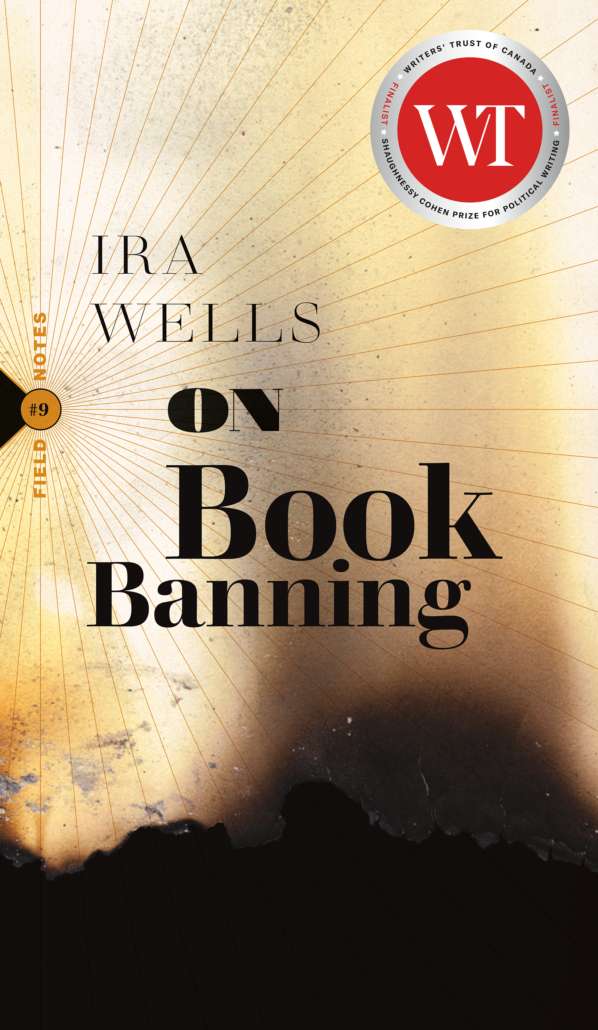
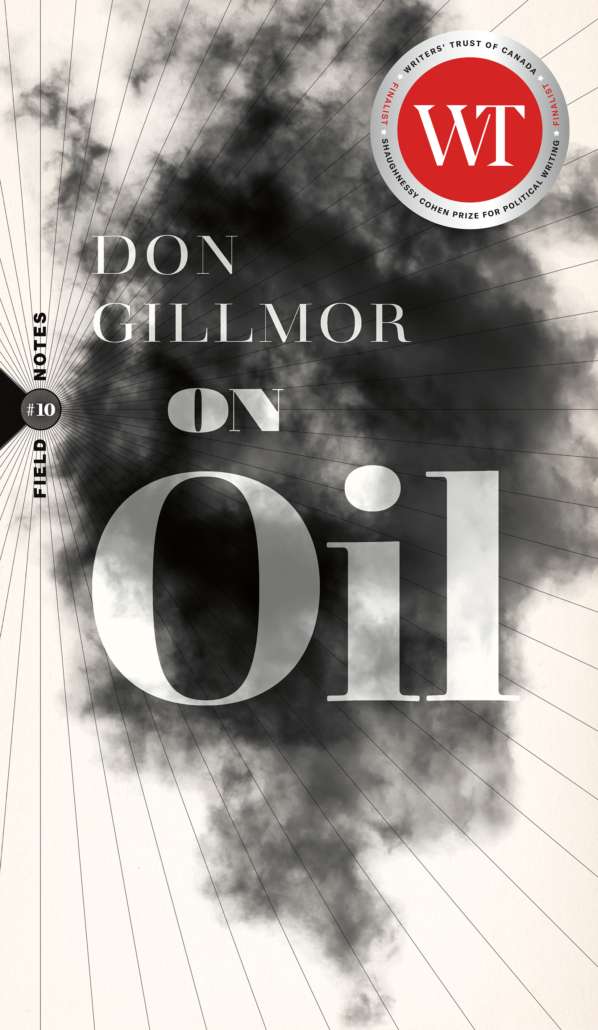
ON BOOK BANNING and ON OIL finalists for the 2026 Writers’ Trust Shaughnessy Cohen Prize!

Biblioasis is thrilled to share that this morning on Wednesday, March 18, the Writers’ Trust announced their finalists for the 2026 Shaughnessy Cohen Prize for Political Writing, which included both On Book Banning by Ira Wells and On Oil by Don Gillmor!

About On Book Banning, the jury wrote:

“Ira Wells offers direct and incisive writing that brings suppressed voices into the light and challenges readers to question the moral authority of censorship. Refusing both academic detachment and easy provocation, Wells presents rigorous research with clarity and balance, pairing the ridiculous with the brilliant. His work is passionate and compassionate, inviting sustained reflection on freedom, responsibility, and the imperfect humanity behind all writing, and leaving readers with a deeper, more self-aware engagement with literature.”

About On Oil, the jury wrote:

“At once a memoir, a meditation, and a polemic, Don Gillmor drills deep into one of Canada’s most controversial natural resources in On Oil. Drawing on his experience as a roughneck during the 1970s Alberta oil boom, he explores the central role the petroleum industry plays in Canadian politics and business. Stories from Gillmor’s life on the rig ground his examination of the ongoing tension between oil as a driver of prosperity and values held by many other Canadians. With humour and polite insistence, Gillmor asks the questions that are at the heart of Canada’s relationship with its resource bounty.”

The two books are part of the Biblioasis Field Notes series, which explores timely issues of public interest and features writers and thinkers from a range of disciplines: philosophy, public policy, history, economics, cultural criticism, and more.

The annual $40,000 prize, now in its 26th year, recognizes literary nonfiction about a political subject that is relevant to Canadian readers. The winner of this year’s prize will be announced in Ottawa at the Politics and the Pen gala on April 29.

Grab a copy of On Book Banning here!

Grab a copy of On Oil here!


ABOUT ON BOOK BANNING

A Finalist for the 2026 Writers’ Trust Shaughnessy Cohen Prize for Political Writing • A Winnipeg Free Press Best Book of 2025

The freedom to read is under attack.

From the destruction of libraries in ancient Rome to today’s state-sponsored efforts to suppress LGBTQ+ literature, book bans arise from the impulse toward social control. In a survey of legal cases, literary controversies, and philosophical arguments, Ira Wells illustrates the historical opposition to the freedom to read and argues that today’s conservatives and progressives alike are warping our children’s relationship with literature and teaching them that the solution to opposing viewpoints is outright expurgation. At a moment in which our democratic institutions are buckling under the stress of polarization, On Book Banning is both rallying cry and guide to resistance for those who will always insist upon reading for themselves.

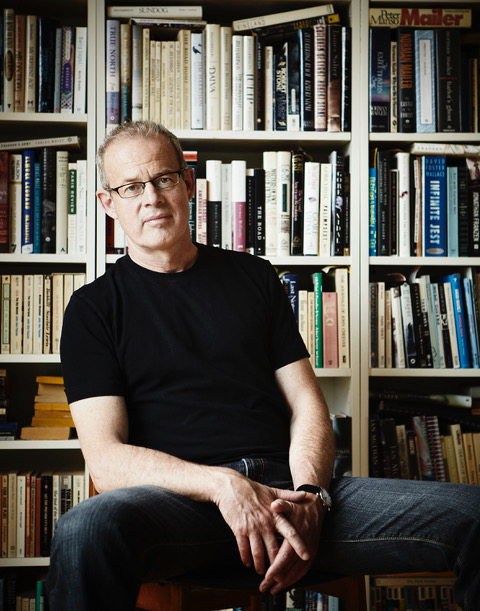
ABOUT IRA WELLS

Ira Wells is a critic, essayist, and an associate professor at Victoria College in the University of Toronto, where he teaches in the Northrop Frye stream in literature and the humanities in the Vic One program. His writing has appeared in The Atlantic, Globe and Mail, Guardian, The New Republic, and many other venues. His most recent book is Norman Jewison: A Director’s Life. He lives in Toronto with his wife and children.


ABOUT ON OIL

A Finalist for the 2026 Writers’ Trust Shaughnessy Cohen Prize for Political Writing

A journalist, and former roughneck, considers our long, complex, tortured relationship with oil.

Oil has dominated our lives for the last century. It has given us warmth, progress, and life-threatening pollution. It has been a gift and is now a threat. It has started wars, ended wars, and infiltrated governments—in some cases, effectively become the government. And now oil’s enduring mythology is facing a messy, complicated twilight.

In On Oil, Don Gillmor, who worked as a roughneck on oil rigs during the seventies oil boom in Alberta, looks at how the industry has changed over the decades and illustrates the ways our dependence on oil has led to regulatory capture, in Canada and elsewhere, and contributed to armed conflict and war across the world. Gillmor documents the myriad ways that oil companies have misdirected environmental action and misinformed the public about climate concerns and illuminates where we went wrong—and how we might yet change course.

ABOUT DON GILLMOR

Don Gillmor is the author of To the River, which won the Governor General’s Award for nonfiction. He is the author of five novels, Cherry BeachBreaking and EnteringLong ChangeMount Pleasant, and Kanata; a two-volume history of Canada, Canada: A People’s History; and nine books for children, two of which were nominated for the Governor General’s Award. He was a senior editor at The Walrus, and his journalism has appeared in Rolling Stone, GQ, Saturday NightToronto Life, the Globe and Mail, and the Toronto Star. He has won twelve National Magazine Awards and numerous other honours. He lives in Toronto.

The Bibliophile: Every Sentence a Journey

An interview with Ivana Sajko, author of Every Time We Say Goodbye

***

Want to get new excerpts, musings, and more from The Bibliophile right away? Sign up for our weekly online newsletter here!

***

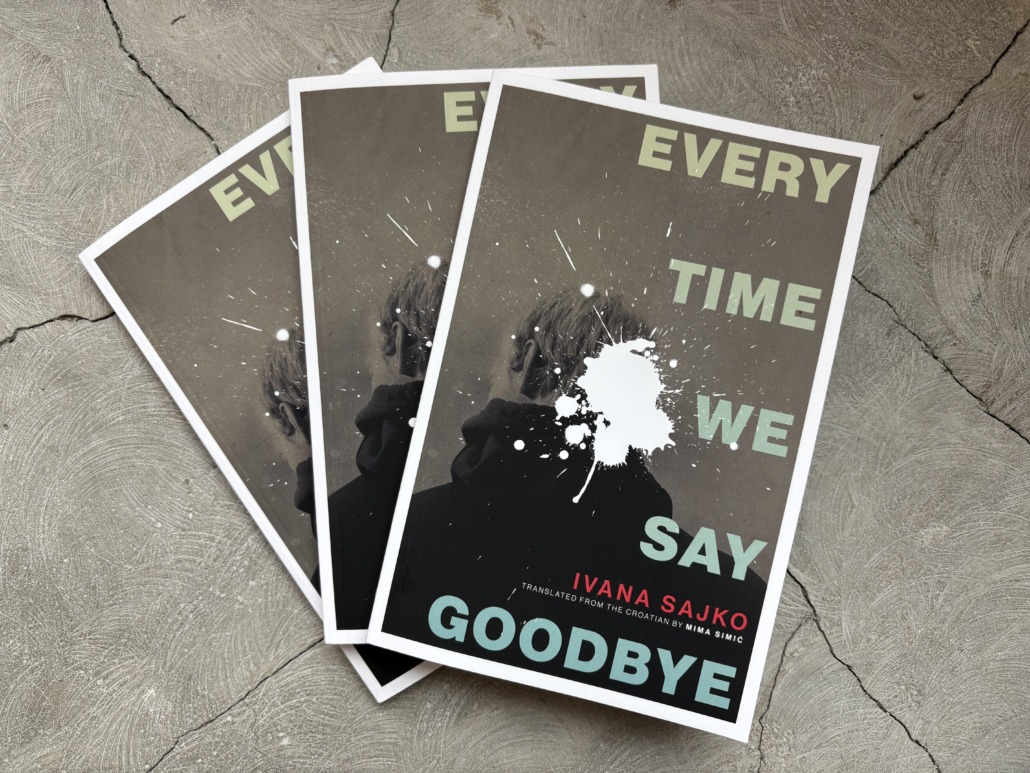
Photo: Every Time We Say Goodbye by Ivana Sajko (trans. Mima Simić). Cover designed by Ingrid Paulson.

We first became aware of Ivana Sajko’s work when her previous novel showed up on the shortlist for the 2023 Dublin Impac Award. We read here in office the two or three books that had yet, that year, to find a North American publisher, but it was Ivana’s that made the rounds the fastest. The manuscript passed from hand-to-hand-to-hand-to-hand over the course of the week, each of us tearing through it in a single sitting. This wasn’t just because of its size, coming in as it did at barely one hundred pages: it was its manic, frenetic energy, its humour, its black, beating heart, its humanity. This was something quite different than anything else we’d read, a voice so superbly translated by Mima Simić that it did not read like a translation at all. Love Novel was a brutal, brilliantly immersive experience, and we were thrilled to have her, and it, for our list. I decided then that I would follow her anywhere and work to bring and break her out in English. I sensed then what I am convinced of now: that Ivana Sajko is as good a writer as any at work today in any language.

The publication of her new novel, Every Time We Say Goodbye, again in an exceptionally energetic translation by Mima Simić, merely confirms my opinion. Sajko is an author who demands to be read by those who love the work of Tokarczuk and Ernaux, among others, though Sajko’s voice is very much her own. In a world racked by so much death and destruction, this is a novel about the most painful death of them all: the death of love. As our narrator leaves his homeland of Croatia for Berlin, watching the countryside slide by his window, he attempts to avoid the full crushing heartache of this more private death, and his role in its occurrence, by reflecting on the recent history of Europe and his inability as a failed journalist to document what is happening in a way that might affect change: this is a novel very much about our current terrifying moment. But lest you feel that this is too bleak, there is a real thread of hope running through the book as well, even if it is only the hope of starting anew knowing the mistakes that have brought you to this point, and your determination in the face of habit and exhaustion not to give in to the same destructive impulses again. Simić’s translation of Sajko’s prose moves with the same rhythm of the train her protagonist is escaping on, offering its own very real pleasures as it pins you, in its extended sentences, to your seat, determined to make you look clearly at what has been wrought.

Published on Tuesday, today it received a rave review in the New York Times, while also making the Globe and Mail’s Spring reading list. Below, we have a short clip of Ivana reading from this book, as well as an excellent interview conducted by Ahmed Abdalla.

Dan Wells,
Publisher


An Interview with Ivana Sajko

Author of Every Time We Say Goodbye (trans. Mima Simić)

Photo: Ivana Sajko. Credit: Peter Stamer.

Can you tell me a bit about yourself and how this book came about?

I am a playwright and prose writer who has been living in Berlin for over ten years. Before that, I moved around Europe, and whenever I returned to Croatia it was most often to the Adriatic coast, which always had a huge influence on my life. From there comes my close relationship with the sea, its blueness, with the Mediterranean province and the conflict between its positive and negative sides. Every Time We Say Goodbye is my fourth novel, written during the first year of lockdown in Berlin, when we were living in a kind of vacuum, with enough time to reflect on our fragility, to mourn our losses, and to reimagine how the post-Covid society could look like (seems we missed that particular opportunity).

What readers of the English translation cannot fully experience is that the book was written in the masculine grammatical gender. Most Slavic languages allow narration from a specific gender—masculine, feminine, or neuter (although neuter is typically associated with inanimate objects, so while it is grammatically possible to write from it, it sounds semantically strange). Those of us who grew up with a Slavic language—as I did with Croatian—know how deeply we are shaped by the gender through which we have to speak. Choosing to write in the masculine somehow altered the course of the novel as it unfolded. It helped me step outside myself, and outside the female voice I had always used, the voice with an entirely different tone and destiny. I would not dare to call this a trans experience, but it certainly made me aware of how strongly we are determined by language. Language truly makes us who we are—not only in social interaction, but also in the most intimate sense.

Every sentence in the book is like a long journey, moving through different spaces and times. But isn’t that also the way we remember?

Ivana Sajko

But how did the book come into being? I think that with every book I return to certain obsessive motifs of mine: the departure, and the experience of the foreigner. In Berlin, for example, one can clearly distinguish different categories of being a foreigner, one can differentiate between an emigrant, an expat, a refugee, a tourist, and these categories are often predetermined by national, religious, or even racial prejudices. As for me, I have been an emigrant for most of my life, but my artistic profession enabled me to do it with dignity and to call it my decision, not my necessity. That was my rebellion—to leave. My family history is traditionally one of emigration. They originated from the small city at the Adriatic coast from where they traveled as far as Argentina, returning only in the 1940s. In Yugoslavia, emigration meant going to Germany. I grew up with emigrant stories, and perhaps I was simply waiting for the right moment to write my own.

In the book, he’s someone who chooses to leave. But he does encounter those for whom it’s not a choice.

Yes, there are always those who are forced to leave their homeland—because of war, because of poverty—and those who leave because they have imagined a better place. This second option carries a certain romantic aura; it recalls a time when American writers moved en masse to Paris, traveled through Europe, and created the literary male figure of the foreign wanderer who owns nothing but a typewriter, cigarettes, and—to make the style more convincing—a hat. That male figure has accompanied me while I was young, and I envied him, because very few women were ever allowed such freedom. Perhaps this is also why I chose to write in the masculine gender: to appropriate that position of power and choice for myself.

Anyhow, the question of those who are forced to leave is one of the great questions of our time, and it places us before a moral test. Especially in Europe, where the arms industry profits enormously in the very countries from which refugees come. These millions of refugees continually confront us with a tragedy in which we are, if nothing else, implicated through our silence and inertia. I live in the center of Berlin, and across the street from my building there is a reception center for refugees from Ukraine. When I lived in Zagreb in my early twenties, on the same street there was a hotel housing war refugees from eastern Croatia. In this sense, exile is not an abstract or distant concept for me; it has always been my neighbourhood.

In my Berlin district there are very few Germans. Most residents are Arabs and people of Turkish origin. Their families have lived in Berlin for several generations, yet do not hold citizenship, do not vote, and do not participate in shaping the fate of the country they depend on. On the one hand, neighbourhoods like mine are vibrant and alive; they fascinate tourists because they show how cultures, religions, and languages can coexist. But beneath this colourful multicultural label lie deep inequalities and unresolved issues.

Can you talk about the structure and why you chose to write each chapter as one long sentence?

I tend to write long sentences, because my inner experience of text and writing is essentially an experience of music and composition. This may stem from the theatre, which is my professional background: for many years I performed on stage with musicians, and I wrote texts almost aloud, repeating and varying them until they would fit my own throat (so to say), the rhythm of my breathing, the dynamics of my speech.

Every sentence in the book is like a long journey, moving through different spaces and times. But isn’t that also the way we remember? When we sink into memory we are caught in a stream which is volatile, full of ellipses, fictions, inner conflicts. Memory is not structured into sentences and paragraphs. Memory is carried by chance and emotion, like a rushing stream of water. I wanted to tame that torrent into a rhythmic flow that would guide the readers, their attention and their feelings. This approach is akin to directing a text in the theatre, where the director ultimately guides the spectator’s gaze.

One of the epigraphs to the novel is a quote from the playwright Goran Ferčec saying he’s only interested in writing that exhausts the world. Is that what you’re trying to go for? To exhaust this one man’s entire world as a way of moving forward?

Moving forward while looking back, because with the distance, things, people and relationships appear differently.

I have never been a writer of grand narratives. I am more interested in exploring micro-situations and human states. I am driven to find the richness of great conflicts and unexpected interpretations in seemingly unremarkable, pale moments—to dig deep and to discover a scandal in the middle of nowhere, or to uncover disputes and arguments in the silence, among the unuttered sentences. These are my passions as a writer.

The same is true of this book. It follows a man on a train journey, between point A and point B, between the place he has left and the place he has not yet reached—in the in-between space of disappointment and hope. And although he does nothing much but sit in his seat, there is the history of his family across several generations unfolding before us. The history marked by departures and violence.

I’ve heard you describe this book as kind of hopeful, but there’s a lot of dark stuff in there. I’m wondering where you see that? Is it in the idea of leaving and starting fresh?

Yes, I truly believe that hope lies at the core of this book. Hope that it is possible to break the chain reaction of the recurring destinies, and that it is indeed possible to heal the inherited traumas. In this book, there is a way out. And it starts at the beginning, from the beginning, from zero, almost in a Zen Buddhist sense: point is in emptying the cup before you can fill it with tea again.

I found it interesting in the book that you never name where he’s from, but you do name where he’s going. Why is that?

The place I come from—Croatia—is heavily exoticized from the perspective of Western Europe, where I now live. On the one hand, Croatia is often subsumed into the mythical territory of the Balkans, imagined as a cursed part of Europe steeped in barbarism; on the other, it is viewed through the lens of the civil war in which Yugoslavia collapsed during my youth. My wish is to avoid this kind of exoticization, partly because I do not want to condone the idea that European barbarism is tied to its Southeast, when it is in fact deeply embedded in the historical legacy of west Europe: its imperialism, the theft of cultural heritage and material resources from other peoples, as well as contemporary forms of barbarism: the silence surrounding the genocide in Gaza, the racism directed at Syrians in distress, and the cowardice shown in defending democracy and international law, which for years have been attacked from one side by Putin and from the other by Trump. For this reason, I do not want to write from a national perspective in my books. And honestly, I no longer truly have one. I have lived in many European cities and I consider myself a European writer who observes this small, complicated, and often arrogantly self-assured European nest with a critical eye. At the table in our kitchen, German, English, and Croatian are spoken simultaneously, and that is why I consciously write about Europe, rather than about Croatia alone.

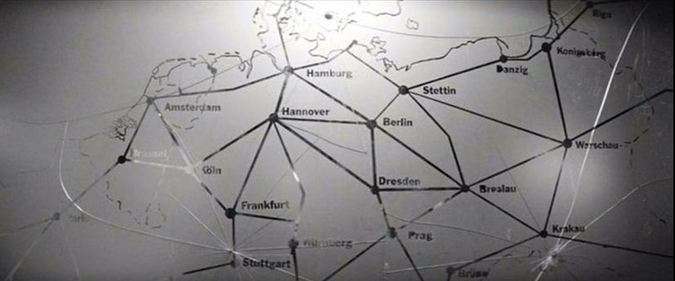
Photo: Still from Europa (1991).

Can you talk about the influence of film in the book?

Lars von Trier’s film Europa is the code that grants entry into the novel, the keynote that sets the tone for the journey the book offers, a journey in which the train, rushing forward, in fact moves backward. I often draw on other people’s art, music, visual works, films. This is also my way of entering into dialogue with artists I admire and who inspire me.

Is there anything you hope people take away from reading this book?

I would like readers to carry with them the belief that the end can be the beginning, that there is immense beauty even in sorrow, that there is a memory of love after the love is gone, that a failure opens millions of new possibilities and that in every place of loss, something still blooms.


In good publicity news:

  • Every Time We Say Goodbye by Ivana Sajko (trans. Mima Simić) received two great excellent publicity during it’s pub week:
    • Review in the New York Times: “[A] captivating new novel . . . translator Mima Simić shows great dexterity in her rendering of Sajko’s lyrical, run-on sentences. They hurtle forward like a TGV, making manifest Iv.’s struggle to speak of his despair and the continent’s.
    • Featured in the Globe and Mail’s Spring Books Preview: “The form suits the novel’s action, which involves a disillusioned Croatian journalist travelling by train to Berlin, where he reflects on a Europe in crisis, personal trauma and the losses that have left him alienated from his work, past and sense of belonging.
  • Oblivious by Elaine Dewar was also included in the Globe and Mail’s Spring Books Preview: “Dewar’s last book (completed shortly before she died last year) exposes, in new ways, the pitiless machinery behind residential schools, segregated hospitals and race-based exploitation that took place on the Prairies—all while settlers’ descendants invited west by the government prospered on the same lands.
  • Precarious: The Lives of Migrant Workers by Marcello Di Cintio was reviewed in Alberta Views: “Recommended reading for anyone who is concerned about the treatment of migrant workers in Canada. But . . . a must-read for anyone who has never thought much about the migrants living among us.
  • On Sportsby David Macfarlane was mentioned in Toronto Life: “On Sports explores his personal love of the game and distaste for the commercialization of competition.

The Bibliophile: There and Back Again

A week at Winter Institute, and reconnecting with booksellers across the border.

I realize that the Bibliophile has been pretty quiet so far in 2026, which is all the evidence you need for how busy things have been at the Bibliomanse proper, and no week illustrates this as much as this last one.

Our intrepid sales coordinator Hilary, decked in Backlist to the Future swag, manning the Biblioasis booth at Winter Institute.

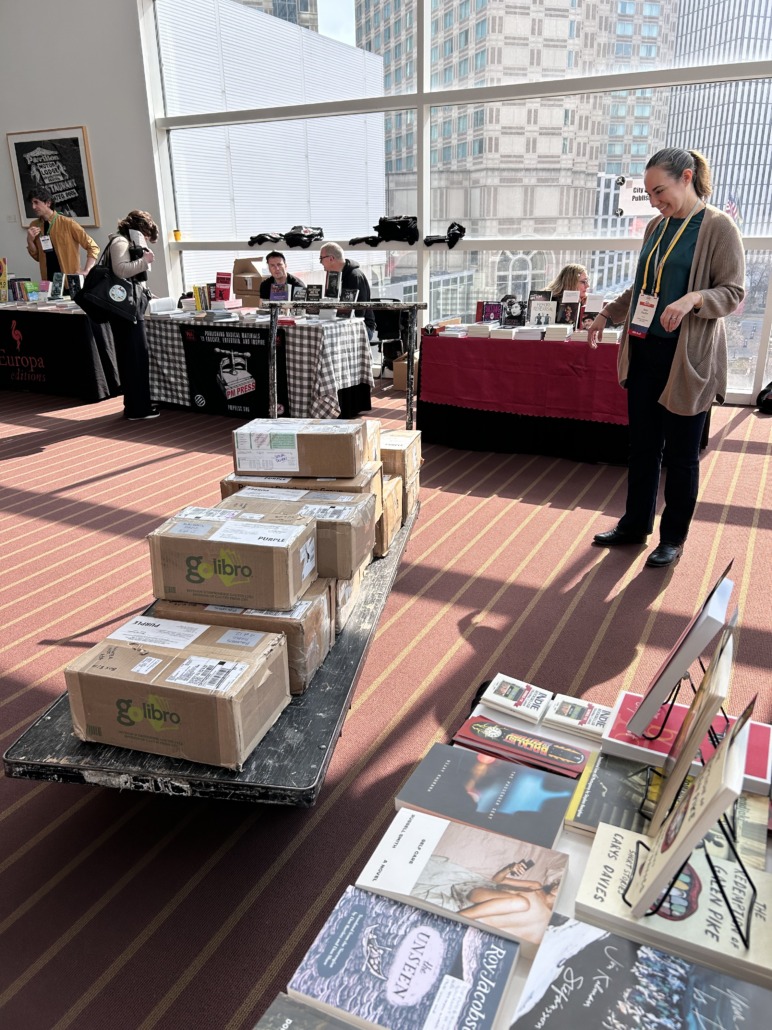
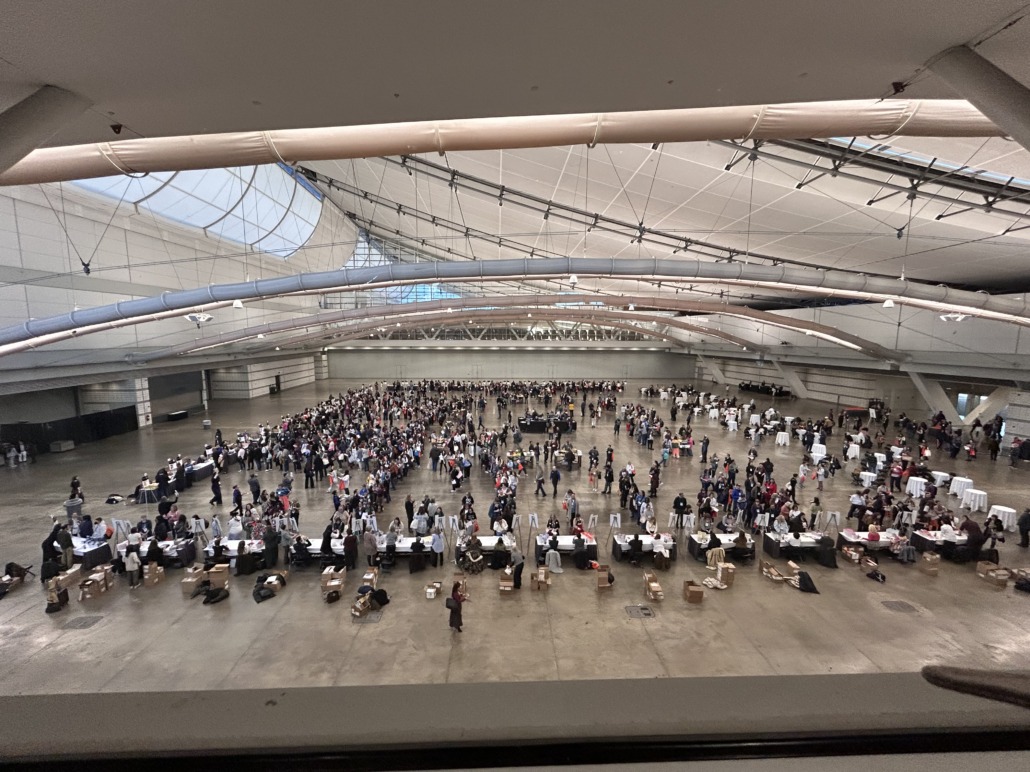
Saturday I worked with Jeff, our operations coordinator, from 7 am till past 9 at night to re-ready everything for the American Bookseller Association’s Winter Institute in Pittsburgh after UPS, who promised a 2-3 day delivery (Pittsburgh is only 4.5 hours from Windsor, about an hour closer to us than Toronto), failed to get our books to the city on time. The boxes took 13 days before they finally arrived mid-fair, looking like they’d barely escaped a war zone. Winter Institute is one of our biggest investments in American bookseller relations every year, the place where we launch several forthcoming books: to be there without any stock would have been a disaster (which was the word I used with UPS when I tried, with increasing frustration, to illustrate the D in our tracking code—D is for Disaster—to the displeasure of our off-shore quote-unquote customer service clerk). I cancelled my flight and left Sunday in my son’s CRV between the second and third period of the Men’s Gold Medal hockey game, worried that the border guards might not let me cross: the border has become increasingly erratic over the last six months and crossing with commercial goods is dependent very much on the agent one gets. Mine thankfully was quite decent, happy my paperwork was in order so that he could get back to watching the game. I wondered if my experience would have been different had I left after the game had finished.

Our books arrive midway through the 2nd day of the 3-day fair. General cheering ensues.

The days since have run between 16-20 hours as I tried to manage the day-to-day, alongside promoting our books and authors as part of Meet the Presses, a three day book fair in which we met hundreds of booksellers across the US, refining our pitches in real time and pressing books into eager hands (and transforming skeptical booksellers, hopefully, into superfans).

Prepping the merch in the hotel room.

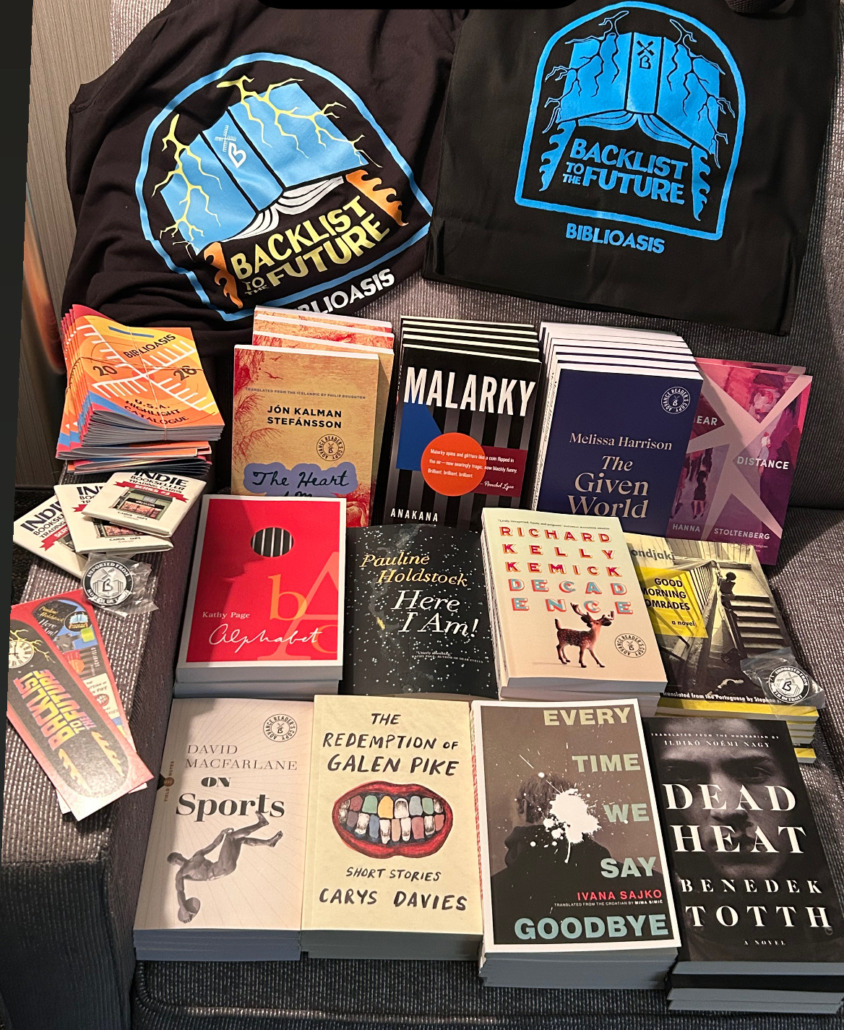
It’s both exhausting and exhilarating. But to see the genuine excitement that readers feel for forthcoming books like Richard Kelly Kemick’s Decadence, Ivana Sajko’s Every Time We Say Goodbye, Don Gillmor’s Cherry Beach, Melissa Harrison’s The Given World, and Jón Kalman Stefánsson’s The Heart of Man, the concluding volume in his Trilogy About the Boy, among many other titles, recharges the spiritual batteries, as does the general awareness among American independent booksellers for Biblioasis and our titles.

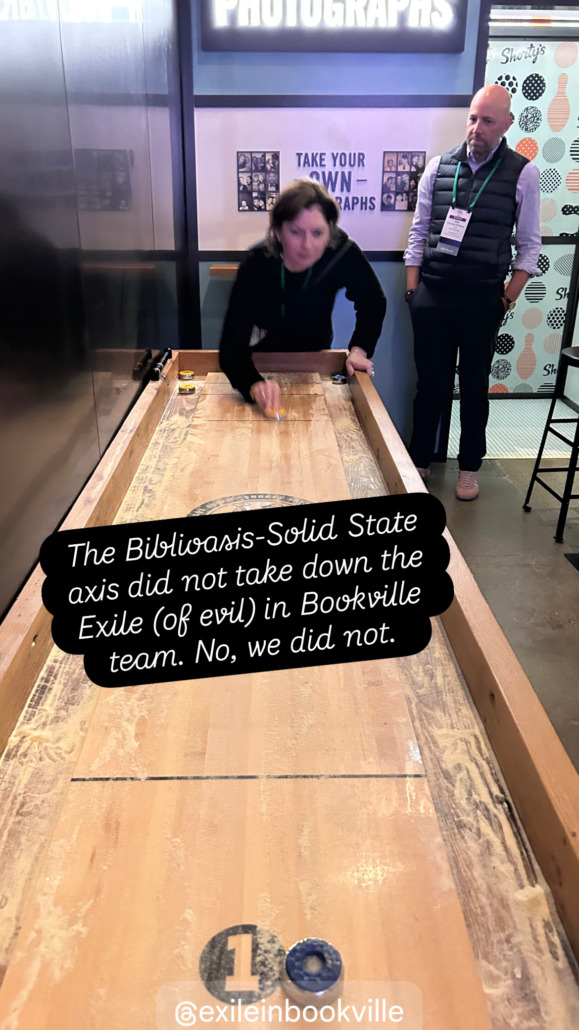
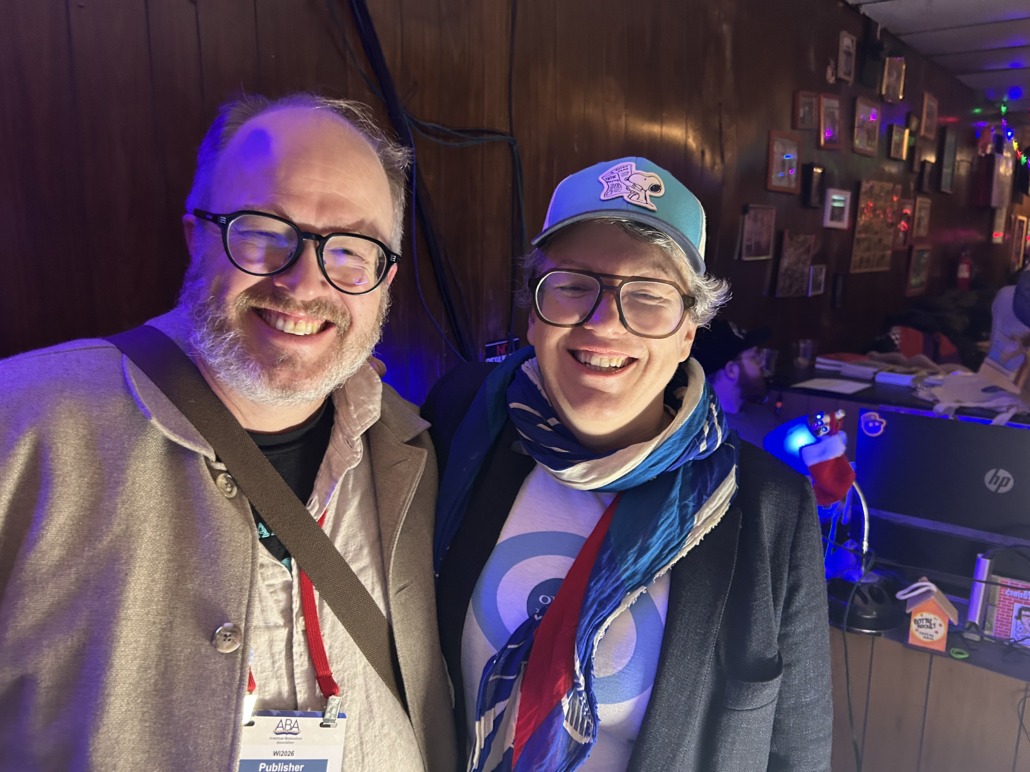
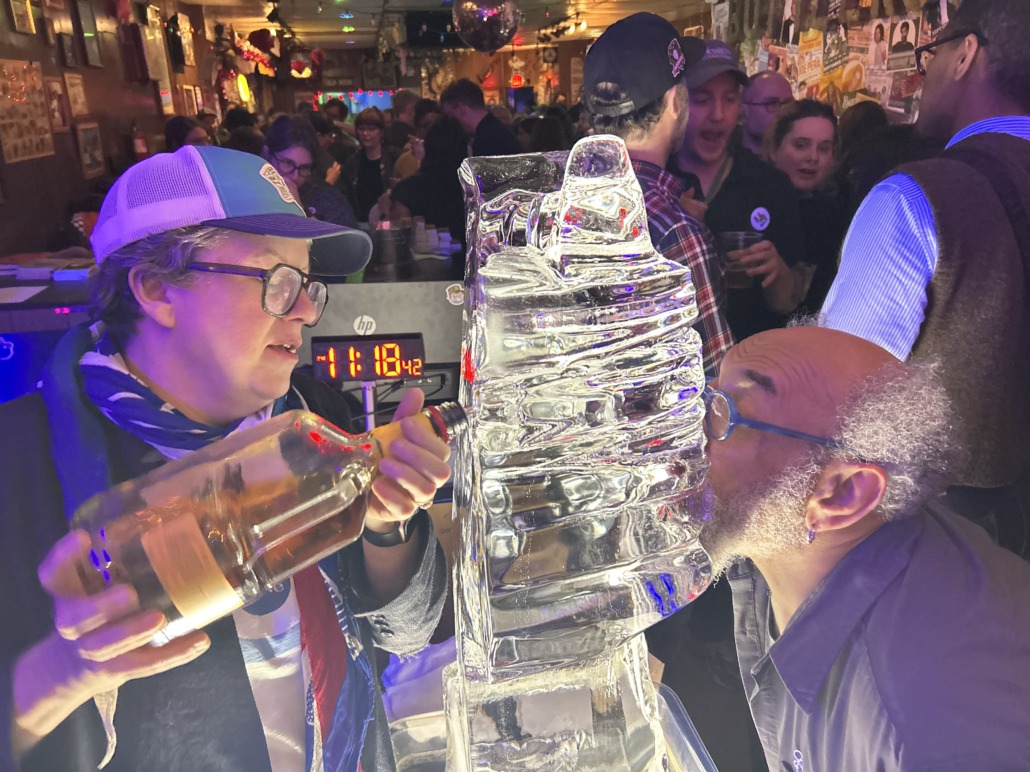
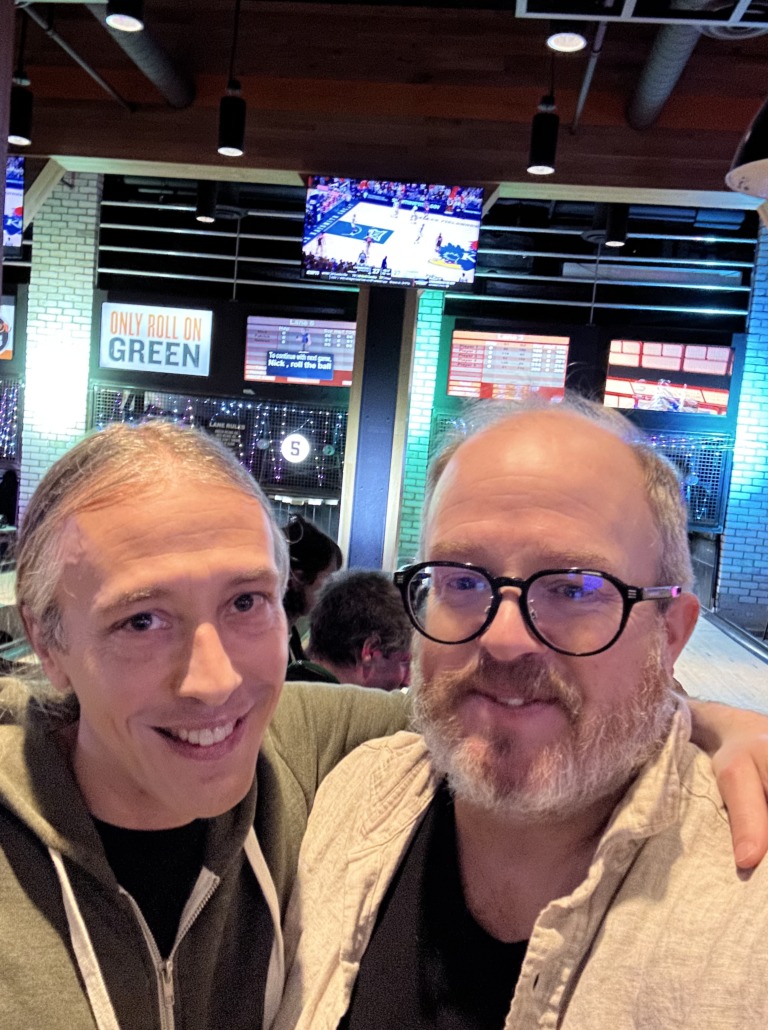
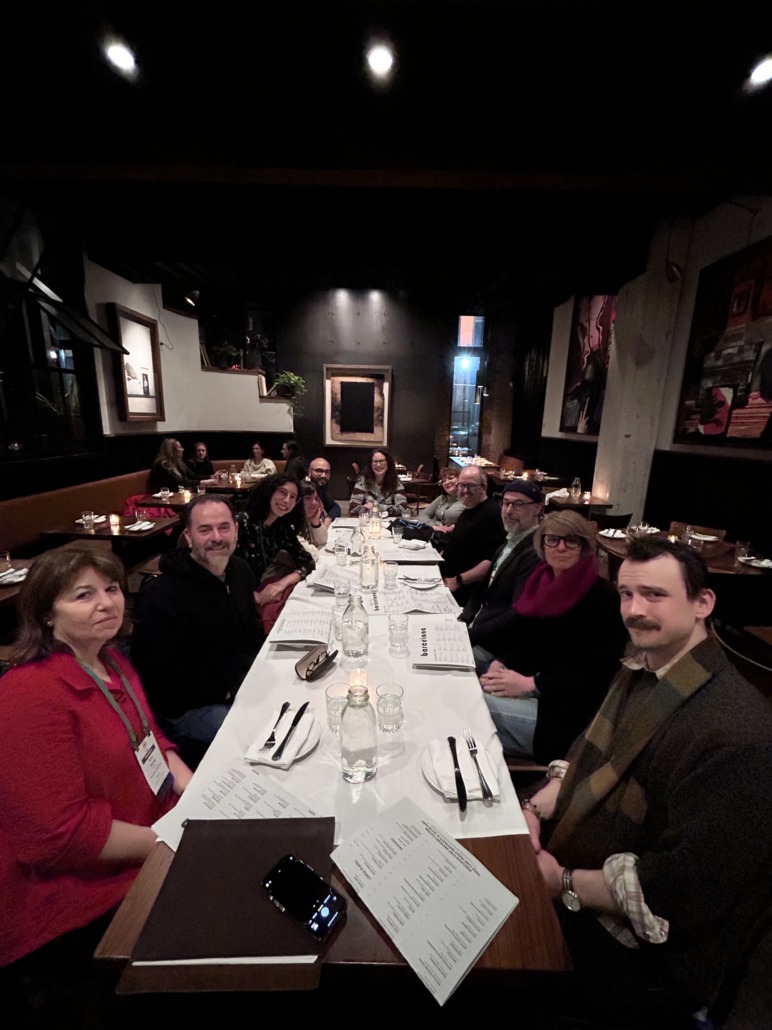
When we started going to this years ago, booksellers knew nothing about us; now, many search us out specifically. We hosted, alongside our bookselling and publishing compatriot Drawn & Quarterly, a wonderful Duck-pin bowling party on Monday; a dinner with booksellers both familiar and new on Tuesday; then joined our American compatriots Seven Stories and Two Dollar Radio in another dinner on Wednesday before heading to another party that evening where I joined Peggy Burns of Drawn & Quarterly in pouring Fireball Whiskey into booksellers’ maws (and down their chins) through an intricate ice sculpture.

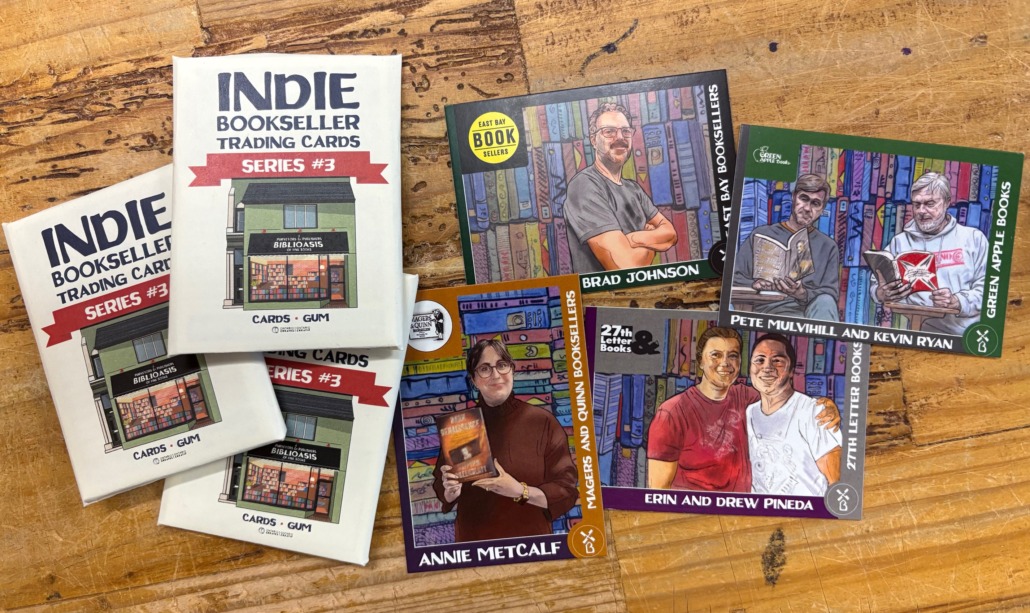
After a year hiatus, we unveiled the new edition of our improved bookseller trading cards, and, tired of the perpetual frontlist hustle, tried to engage booksellers (with some real success) in our Backlist to the Future campaign, more on which will follow.

A sampling of featured booksellers from the Indie Bookseller Trading Cards: Series #3. Pictured here: Brad Johnson (East Bay), Pete Mulvihill and Kevin Ryan (Green Apple), Annie Metcalf (Magers and Quinn), and Erin and Drew Pineda (27th Letter).

There were impromptu meetings with booksellers and our American distributors, with American media, other Canadian and American publishers, and even with a couple of our favourite writers, including Daniel Mason and Douglas Stuart.

There were bookstore visits, and great conversations throughout all four days. As a bookseller I haven’t seen in years told me when we said goodbye, the last day felt like the end of summer camp, with repeated hugs and tears as we packed our tents and readied to go home. But I was grateful for the time I got to spend among some of my favourite people in the world, and I look forward to the next time I get to do so.

I have so much more to unpack about the past week, things I wish I had the time to better explore, and hope to do so in a later Bibliophile. We need to talk about the total lack of Canadian booksellers at this event (D&Q and Biblioasis were the only two this year, and we were really there in a publishing capacity) and the dangers of letting what is going on alienate us from our American compatriots on the front line of the fight against fascism. Books are a battleground in both countries for very obvious reasons, and we’d be much better keeping the lines of communication open between our communities than cutting them off in a fit of nationalistic spite. When we allow the current American administration to separate us, we are giving them exactly what they want.

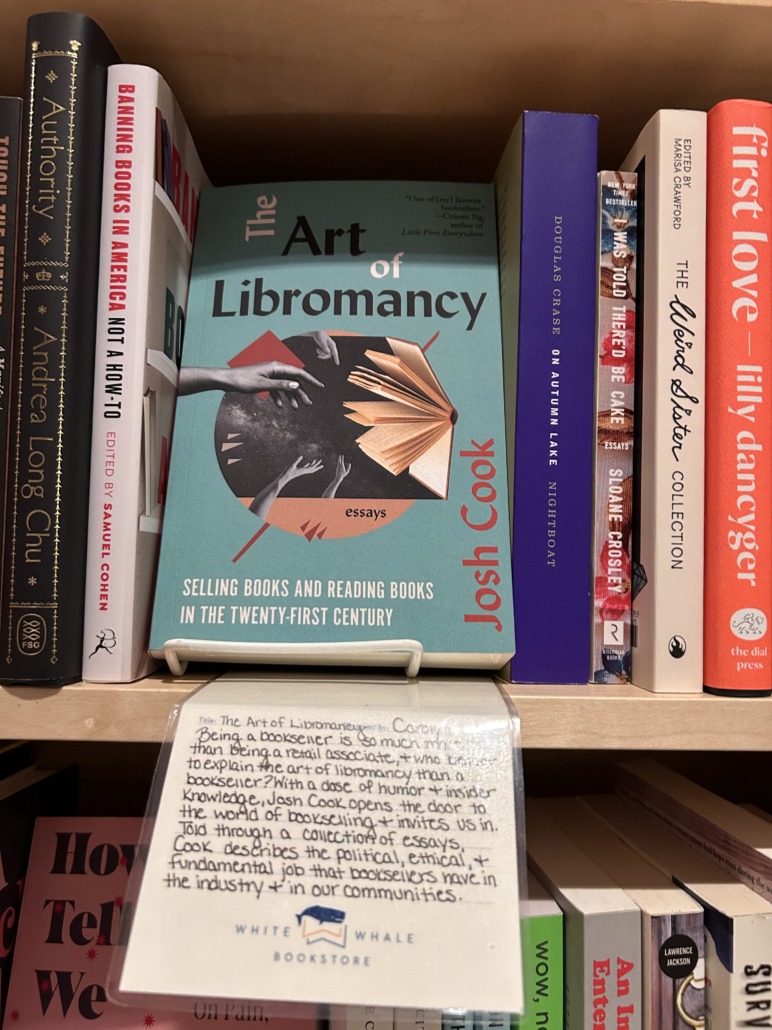
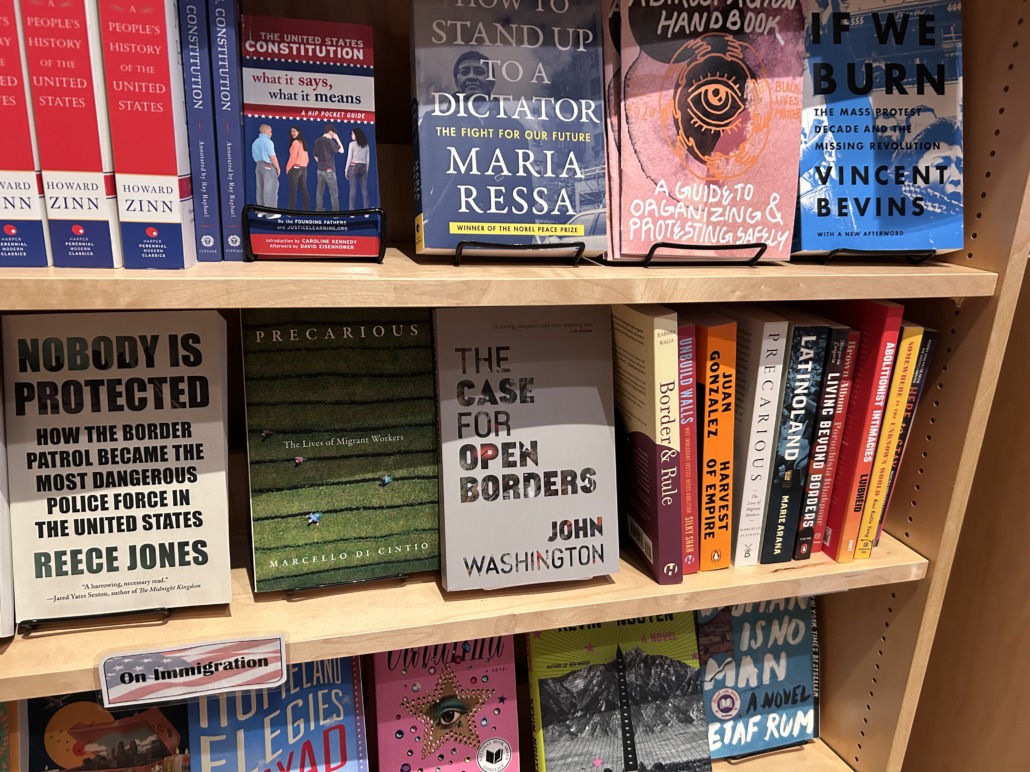
Marcello Di Cintio’s Precarious on display at White Whale.

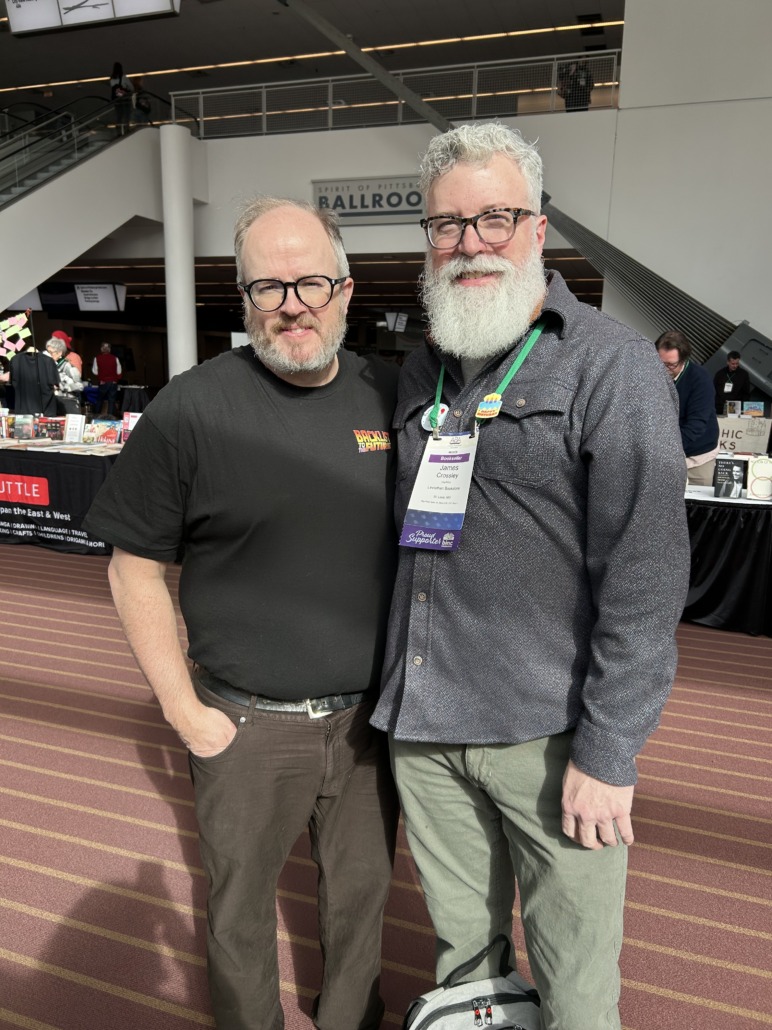
I’d like to write about the essential connection events like Winter Institute make clear between independent publishers and booksellers, and how we could work better together for the betterment of both, and about the real hope and possibility that comes from talking with one another. I have so many ideas from conversations with Javier and Kristin Ramirez (Exile in Bookville), James Crossley (Leviathan), Kate Layte (Papercuts), Lori Feathers (Interabang), Carrie Koepke (Skylark), Sam and Emma Kaas (Norwich), Greg Kornbluh (Downbound), Miriam Chotiner-Gardiner (Three Lives), Bryan Seitz (Literati), and so many others. But that will have to keep. I think the only thing that kept me from driving off the highway on the return home was Barq’s root beer, chocolate, the Messthetics and the Ramones (Hey Hey Hey, why is it always this way just keeps cycling on my internal jukebox).

The author reception.

But before I go, two quick things for Bibliophile readers: our first book of 2026 officially launched this Tuesday. Mark Anthony Jarman’s Smash & Grab, a literal grab bag of fictions united solely by Jarman’s febrile imagination and wordplay, will be a treat for fans old and new. And our second, Ivana Sajko’s brilliant Every Time We Say Goodbye, launches next Tuesday: it’s already been assigned for a NYT review, and we’re expecting this to become one of the handsell titles of the year. So please head to your favourite independent wherever you are, and pick up a copy of each. I promise that neither will disappoint.

Dan Wells,
Publisher

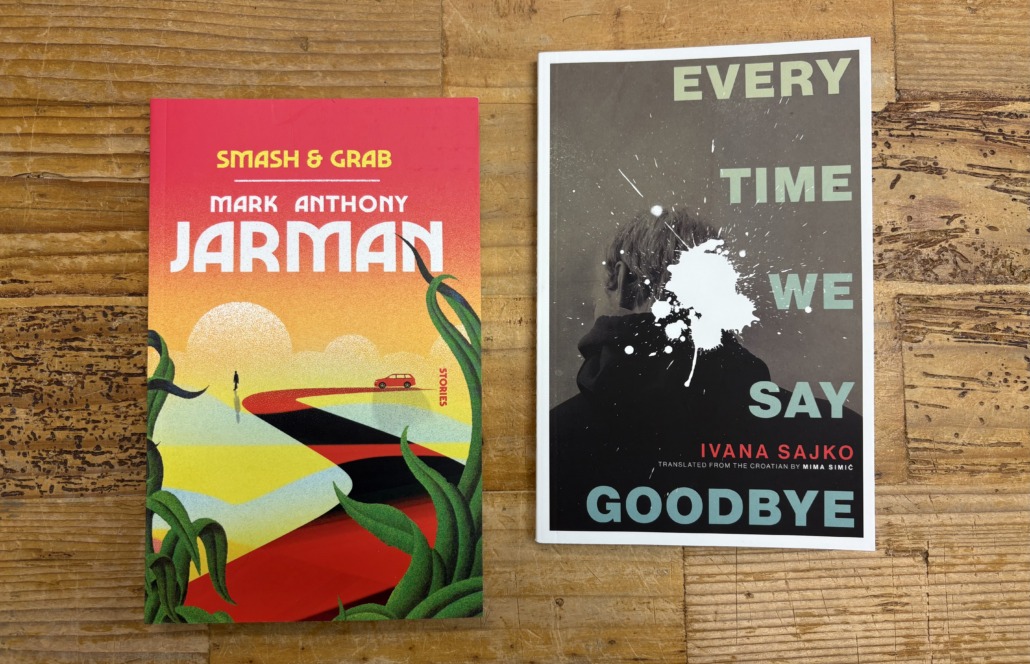
(L) Smash & Grab by Mark Anthony Jarman. Cover designed by Kate Sinclair. (R) Every Time We Say Goodbye by Ivana Sajko, trans. by Mima Simic. Cover designed by Ingrid Paulson.

In excellent awards news:

As we were finishing up this week’s missive, we learned that Ira Wells, author of On Book Banning: Or, How the New Censorship Consensus Trivializes Art and Undermines Democracy, has won the 2026 Freedom to Read Award from the Writers Union of Canada!

The award is presented annually by TWUC in recognition of work that is passionately supportive of access to books and the freedom to read. Wells was nominated for the Freedom to Read Award by a fellow Canadian author, and the nomination reads (in part):

Author Ira Wells, born in Alberta, is well-known for his long-held stance against censorship. This is witnessed by his record of publications, which often touch on the subject of societal thought control. His most recent book, On Book Banning is an extended exploration of the ways libraries have been ransacked, often under the guise of “protecting children.”

Congratulations to Ira!