Posts

The Bibliophile: The Biblioasis Holiday Book Guide (Part II)

Recommendations from the Biblioasis crew!
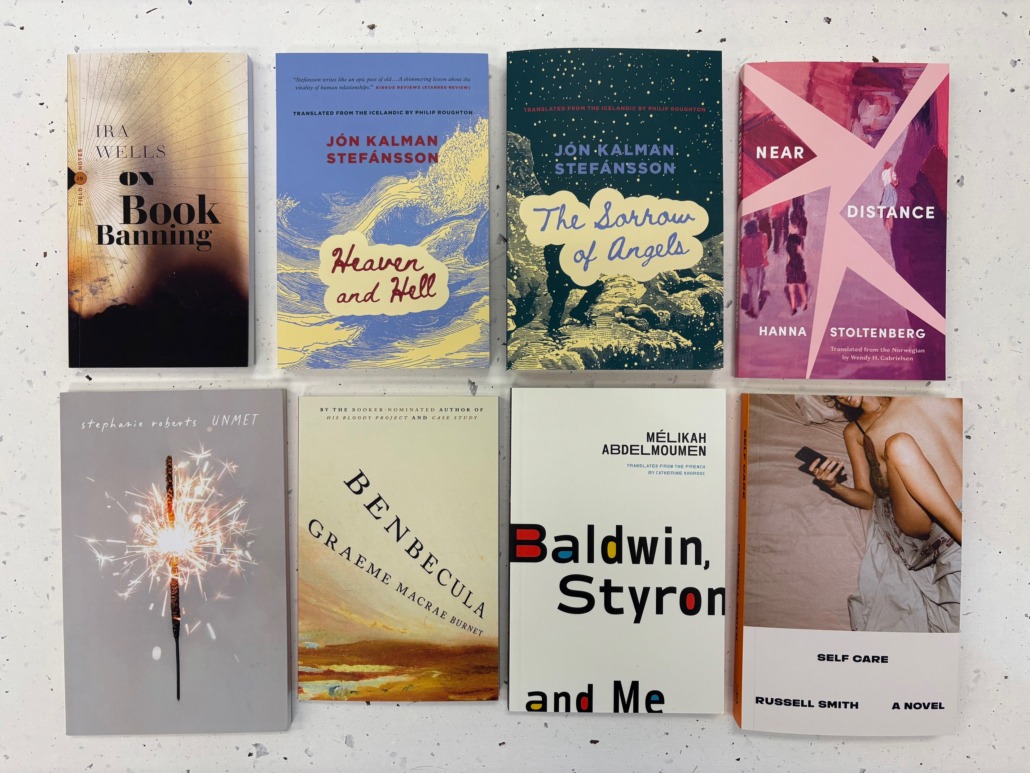
We’re back with the second part of our Biblioasis staff picks, and I’m certain it will come as no surprise to anyone that we’ve decided to make this a three-part series.

There are just too many good books to share!

Please enjoy a few more of our favourites from 2025 that we think you should check out—and maybe you’ll find that perfect book gift in time for the holidays. Next week, look forward to our final recommendations, and a word from our publisher Dan Wells.

Ashley
Editorial Assistant


Hilary Ilkay

Sales Coordinator
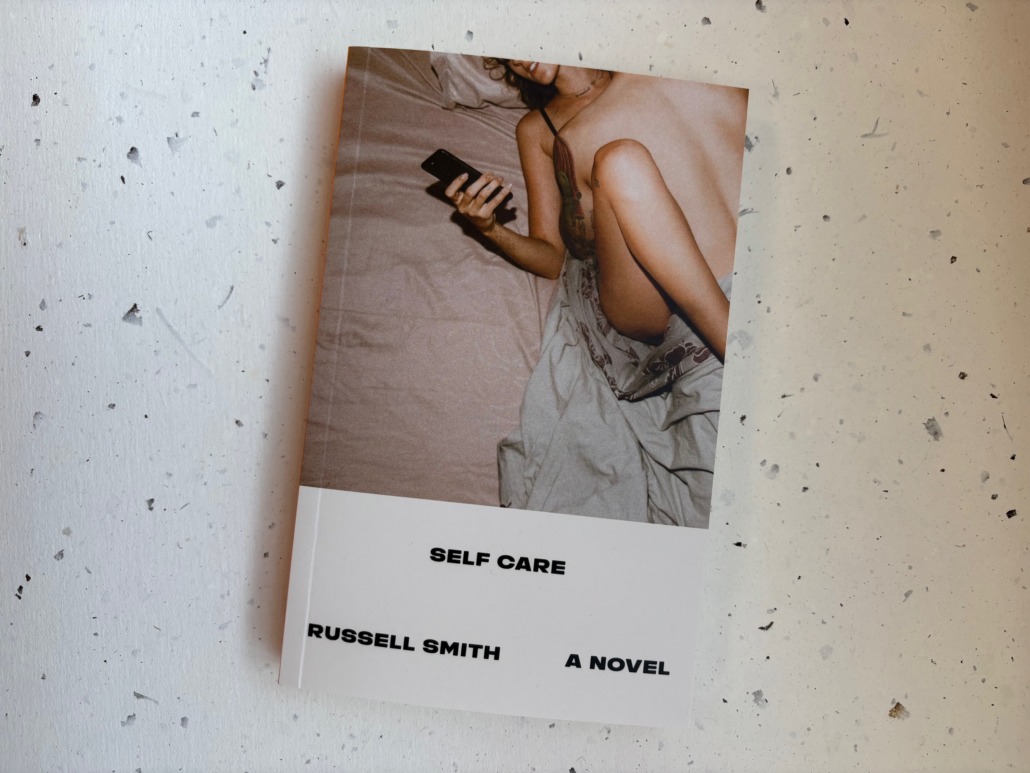
Self Care by Russell Smith, designed by Kate Sinclair.

Self Care by Russell Smith

By far the spiciest book I read this year, Russell Smith’s first novel in a decade is a propulsive, disquieting portrait of a young generation unable to make genuine connections and live authentically. Set in Toronto, Self Care stages an unlikely encounter between a burnt out, ennui-suffering freelancer named Gloria and a self-deprecating incel named Daryn. Through their increasingly troubling relationship, Smith explores power and sex and the harm posed by online communities and discourses. You will not be ready for the ending, which will get under your skin for days afterward.


Dominique Béchard

Publicity & Marketing Coordinator
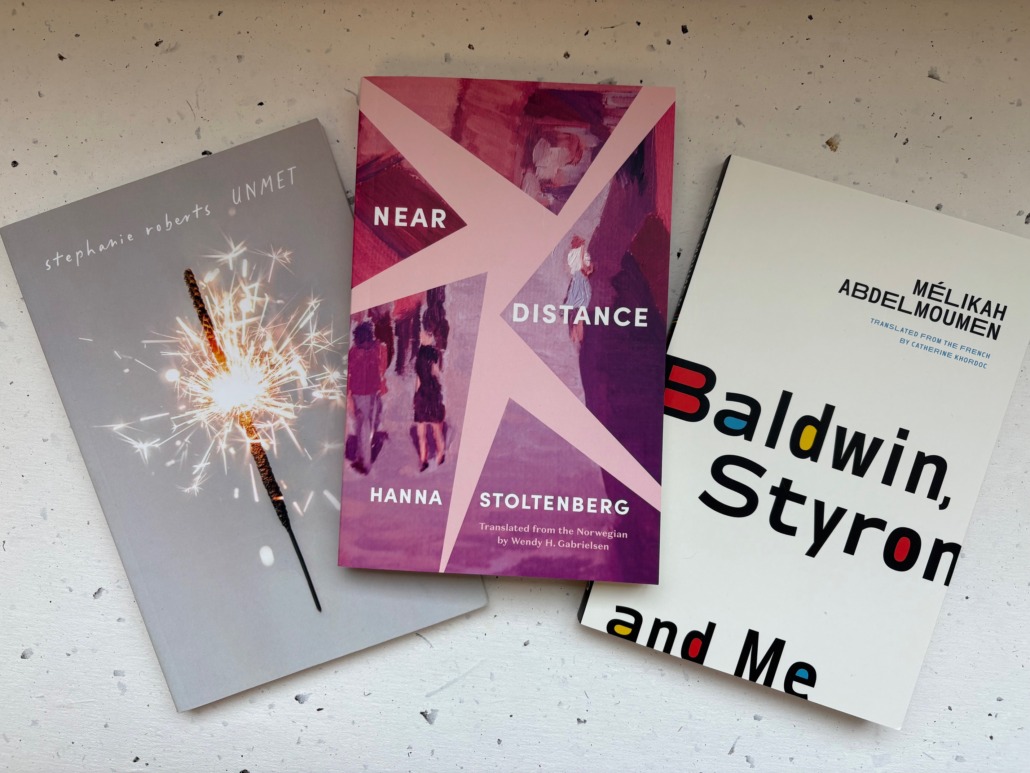
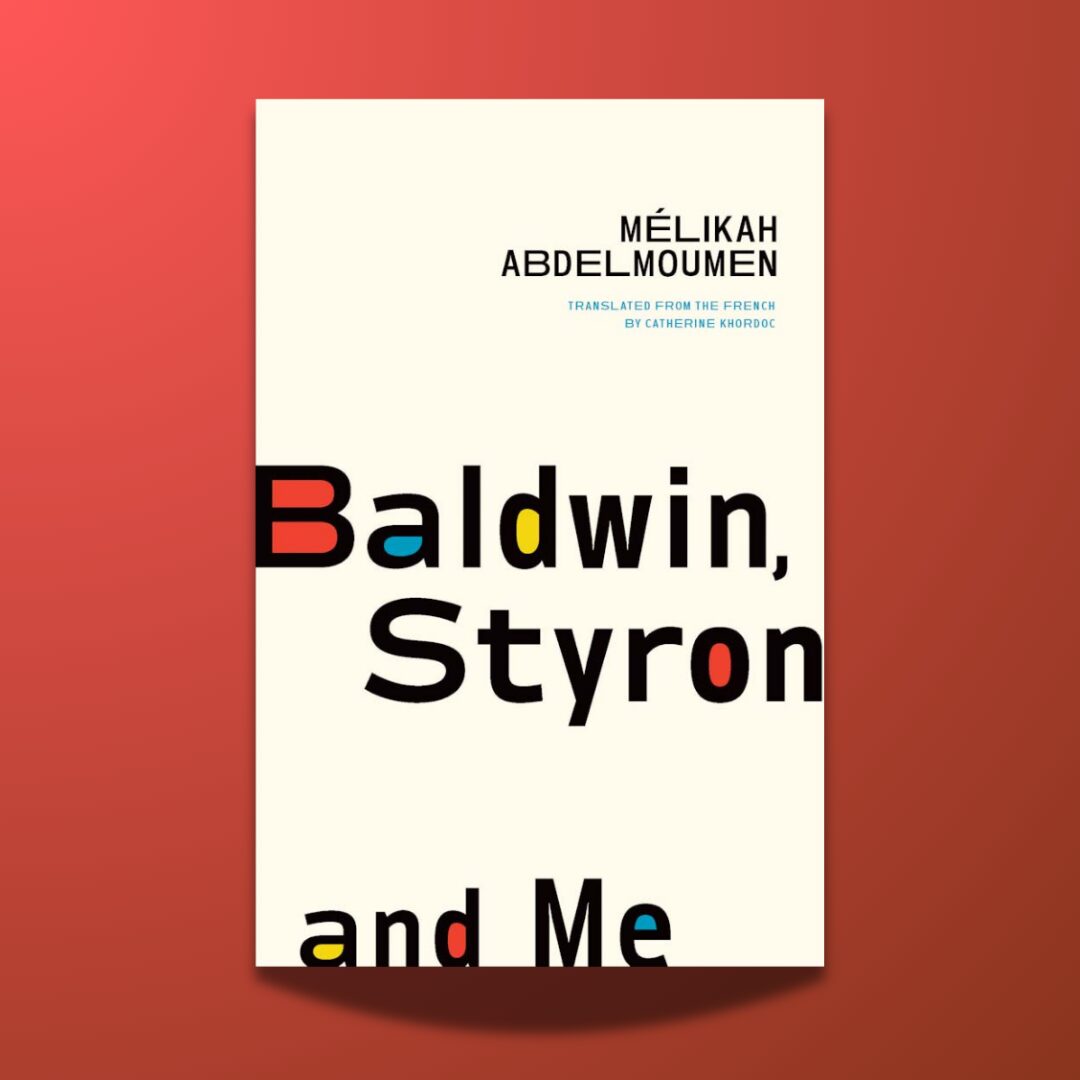
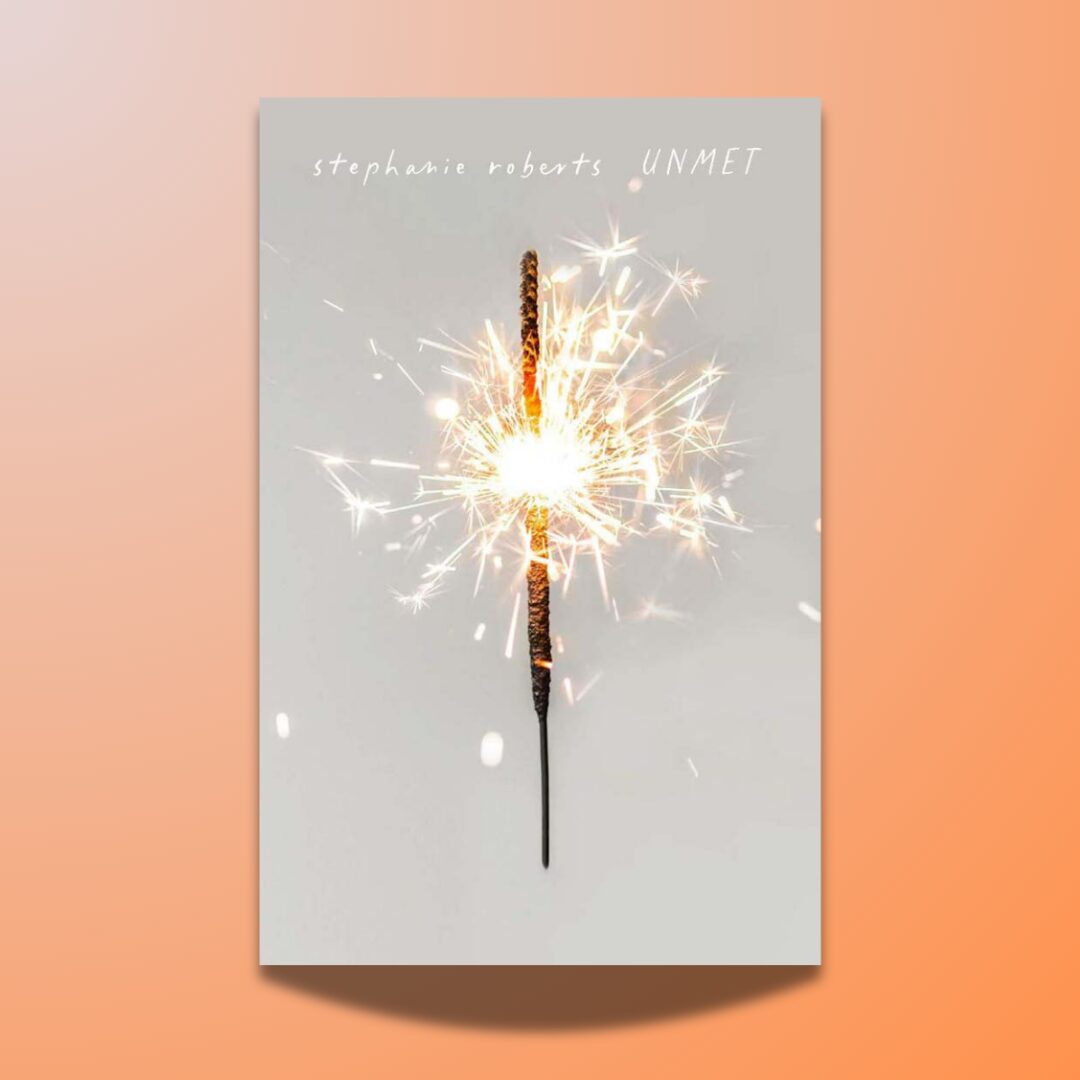
L: UNMET by stephanie roberts, designed by Ingrid Paulson. Centre: Near Distance by Hanna Stoltenberg (trans. Wendy Gabrielsen), designed by Natalie Olsen. R: Baldwin, Styron, and Me by Mélikah Abdelmoumen (trans. Catherine Khordoc), designed by Ingrid Paulson.

UNMET by stephanie roberts

UNMET is an incredible poetry collection that doesn’t compare to anything else I’ve read. roberts employs an impressive range of registers—slipping from earnestness, to irony, to playfulness, to anger . . . But always, it strikes me, in service of the unexpected. The surprising leaps of diction and syntax make me feel like I’m leaning precariously over the known world into the open-hearted absurd. And I feel like an improved, more malleable human coming out of these poems.

Baldwin, Styron, and Me by Mélikah Abdelmoumen, translated by Catherine Khordoc

In 1961, James Baldwin spent several months as a guest in William Styron’s home. During this time, Baldwin encouraged Styron to write The Confessions of Nat Turner from the perspective of the slave; it would go on to win a Pulitzer, but also elicit controversy from the African-American community. Abdelmoumen doesn’t take sides, but rather creates space for dialogue about race and cultural appropriation that avoids binary thinking. This book champions a definition of identity that is “in a constant state of flux,” that depends first and foremost on listening to others—what she calls “the beauty of cross-pollination.” I’m not someone who is prone to optimism, but the hope at the heart of Abdelmoumen’s book softened last winter’s sharp edges. It would make a great new year read for anyone who wants to shake the bleak, the rigid, the alone.

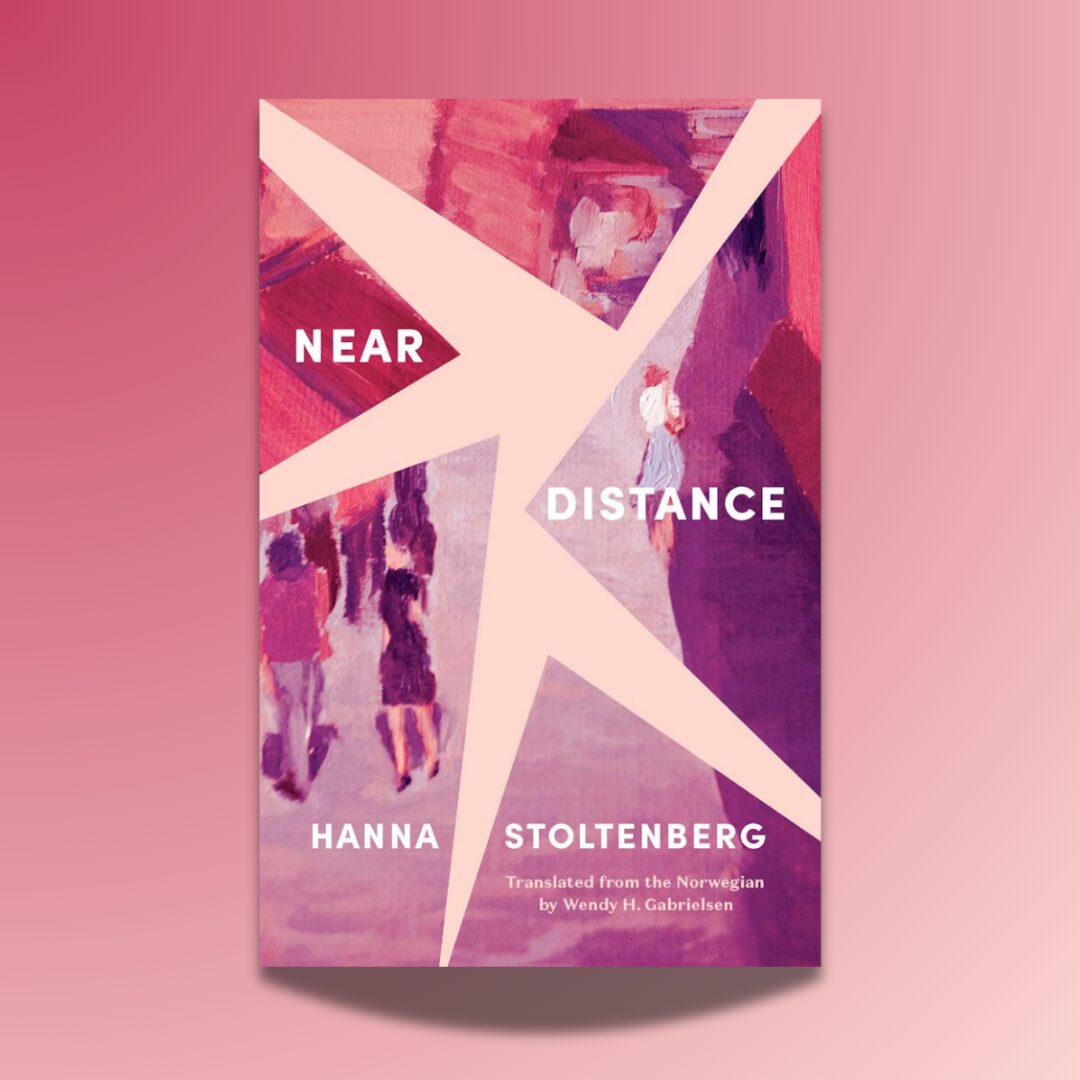
Near Distance by Hanna Stoltenberg, translated by Wendy H. Gabrielsen

I read an ARC of Near Distance almost two years ago, before knowing I’d soon be working at the press. Though under a hundred pages, the tense, encroaching malaise of Stoltenberg’s debut novel has stayed with me. Near Distance portrays the tenuous relationship between a mother, Karin, and her adult daughter, Helene. Stoltenberg told me that Karin was based on the fathers she knew growing up: casually uninvolved, inclined to focus on themselves, emotionally distant. For such a short book, the character of Karin is so complex and strikingly herself; I still think of her frequently.


Ahmed Abdalla

Publicist
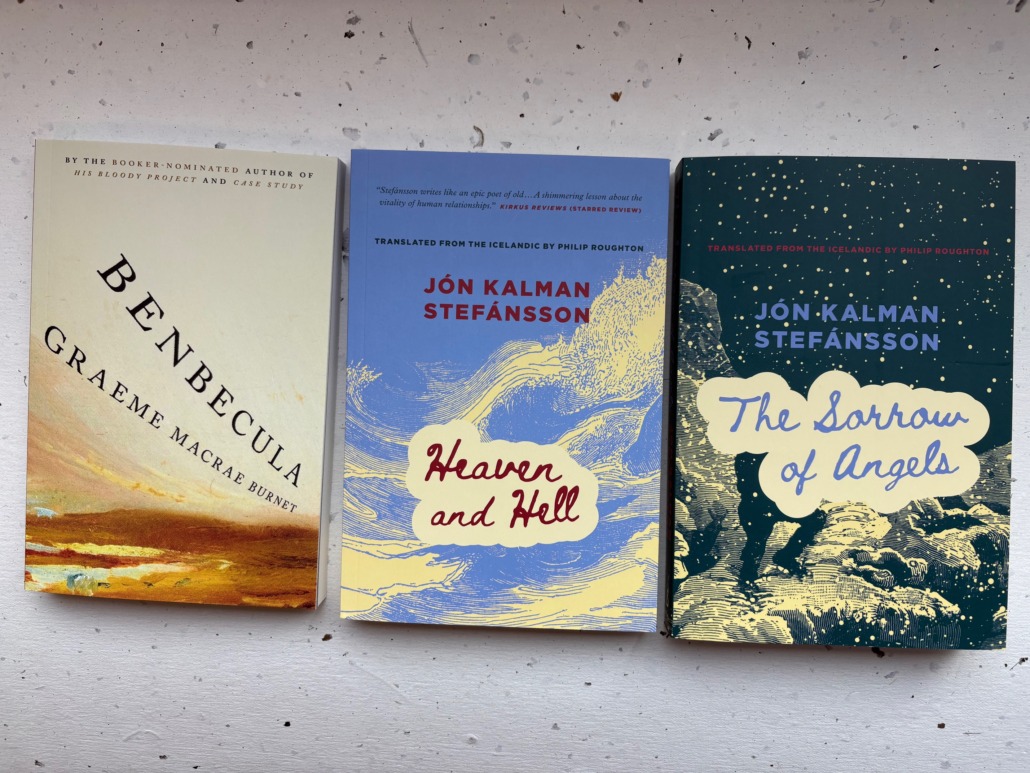
L: Benbecula by Graeme Macrae Burnet, designed by Kate Sinclair. R: Heaven and Hell and The Sorrow of Angels by Jón Kalman Stefánsson (trans. Philip Roughton), designed by Natalie Olsen.

Benbecula by Graeme Macrae Burnet

I’ve talked quite a bit about my love for Benbecula in a Substack post from last month, but the first time I read Benbecula, I read it in one sitting, and then I read it again. It’s a first person account of a murder and its aftermath in a small community. An incredibly engrossing read that I found difficult to put down. Sometimes if I walk past the copy in my apartment, I’ll pick it up and reread certain sections. I don’t know what it says about me that enjoyed this story of madness so much, but here we are. This story of real life triple murder on a remote Scottish island in the 19th century becomes a Jekyll and Hyde–like tale about madness and the slippery nature of identity. It’s a novel approach to true crime, darkly funny at times, about a man, living alone, haunted by memories and voices, slowly sinking into madness. The nonfiction afterword where Burnet describes the real life case and his research was also a delight to read.

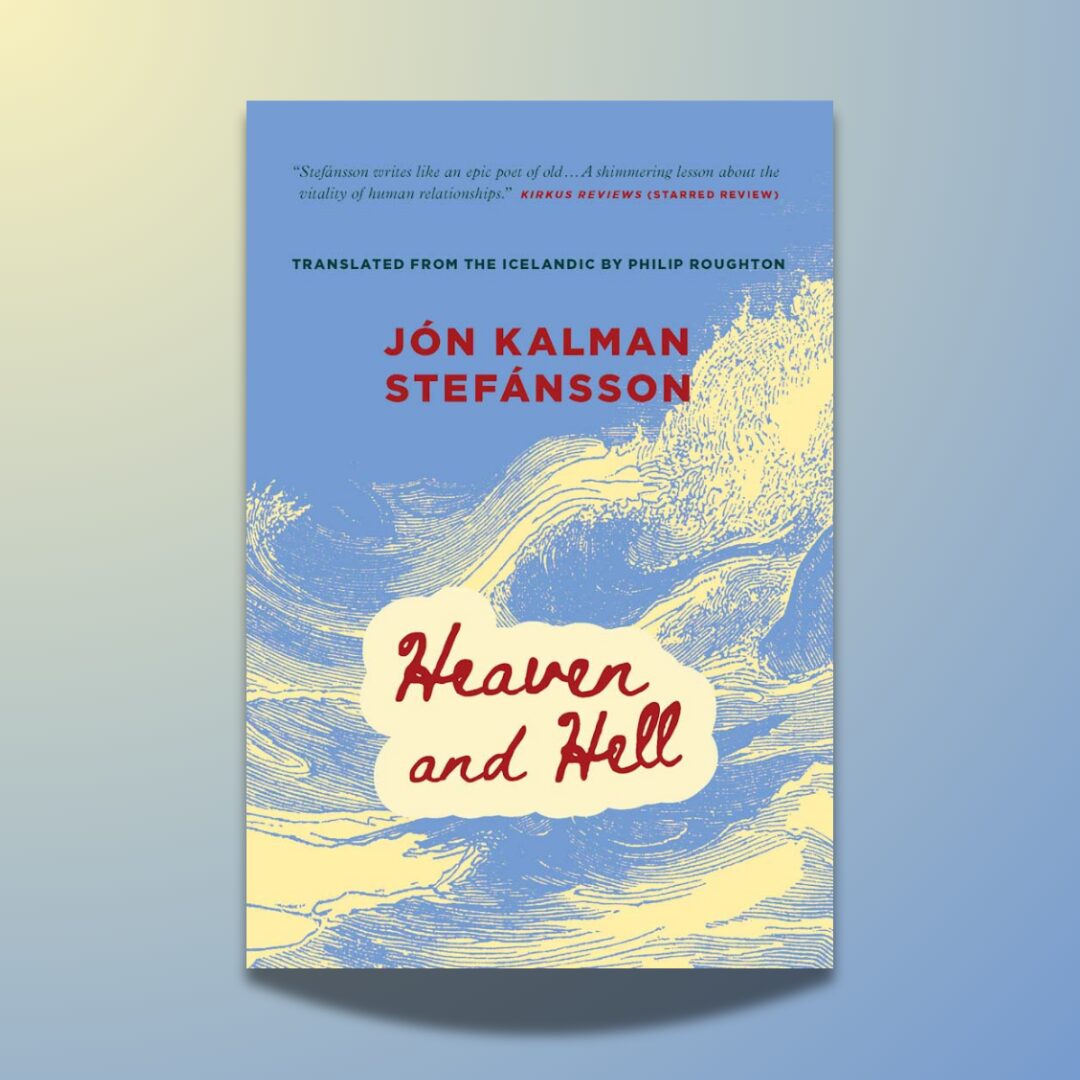
Heaven and Hell & The Sorrow of Angels by Jón Kalman Stefánsson, translated by Philip Roughton

The first two books in Jón Kalman Stefánsson’s Trilogy About the Boy (look out for the third one, The Heart of Man, that’s set to be released June 2026) harkens back to the old Icelandic sagas. It’s the story of an unnamed boy in a remote Icelandic fishing village who loves nothing more than poetry and reading. In the first book, Heaven and Hell, his only friend dies, and he begins a journey that takes him out of the lonely fishing village and into a new community where he finds friendship and hope. The Sorrow of Angels has him embark on a new quest, with an alcoholic, melancholic mailman, across a brutal winter in order to deliver some important mail. It’s the stuff of epic: of men in search of themselves, battling against nature and despair. The whole trilogy is really a testament to the power of literature and the communities found around it. Stefánsson’s voice is absorbing and immersive throughout, and Philip Roughton has done an amazing job translating it into English. I think he’s so unlike any writer I’ve read recently, and to me that is among the highest of compliments. He’s an original, crafting these intense and lovely lyrical, small-scale epics, with wonderfully written character studies. Read him for all the beautiful ways he describes walking through snow.


Ashley Van Elswyk

Editorial Assistant
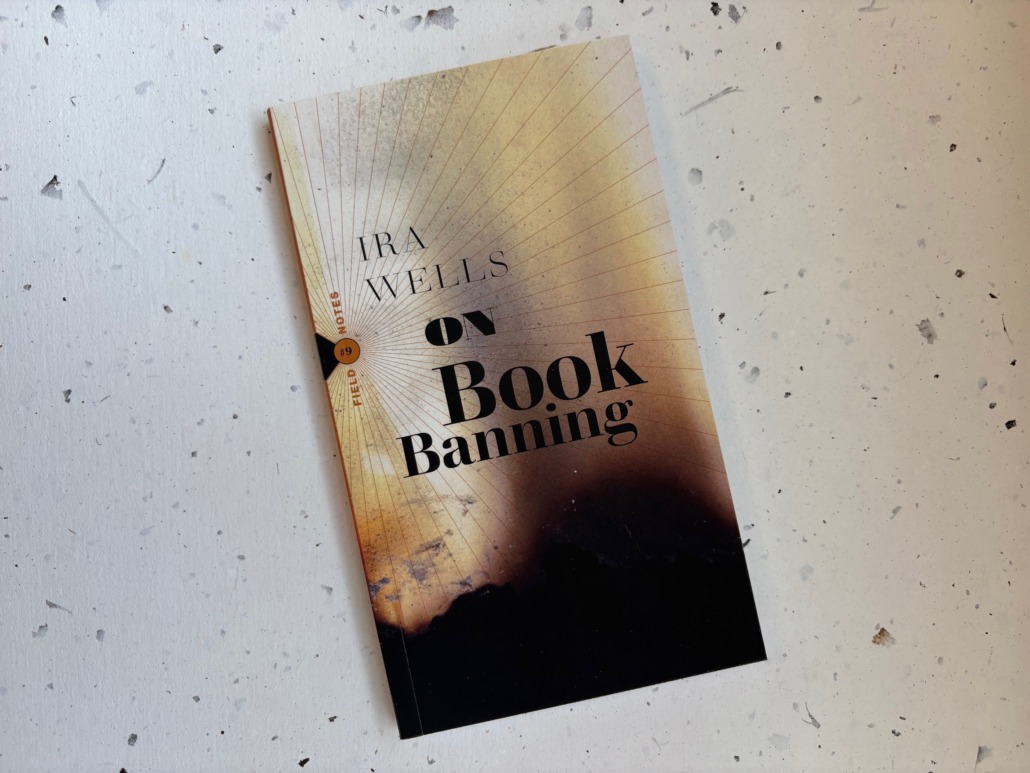
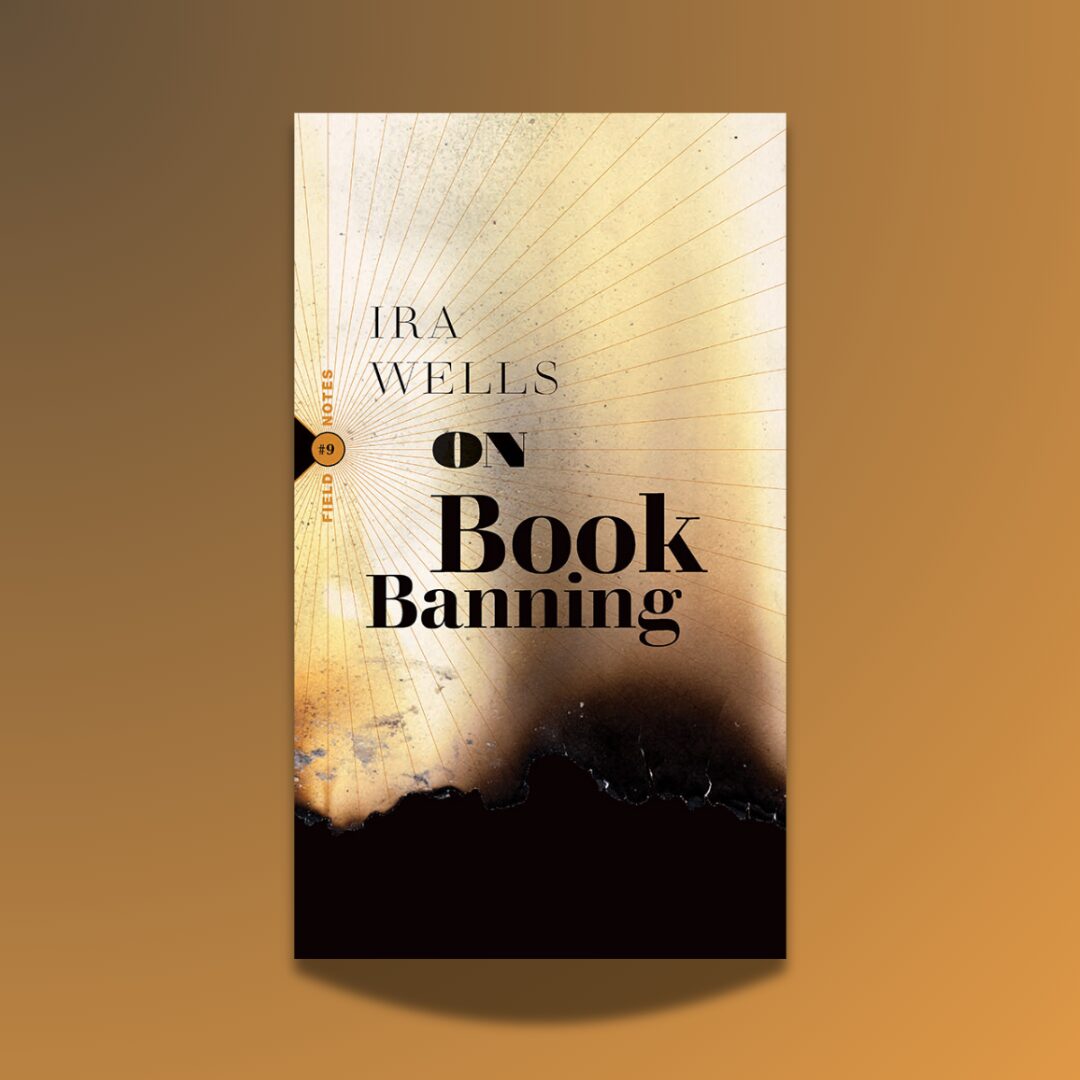
On Book Banning by Ira Wells, designed by Ingrid Paulson.

On Book Banning by Ira Wells

In this slim Field Note, Ira Wells offers surprisingly rich historical and contemporary context alongside personal experience to a topic that can sometimes seem like a vast, irremovable threat. Before reading Wells’s book, when I thought of book bannings I thought of the United States, or Alberta. The censoring of queer and diverse titles and authors, of older books, or of uncomfortable topics, wasn’t something that happened in places as close to home as the libraries and schools of Southwestern Ontario. But On Book Banning made me think more about what’s happening to our crucial centres of learning, and helped expand my knowledge of what book banning is, what constitutes it, and where we can take action to better prevent it. Here, Wells offers a passionate defense of our right to read, and we should all take that defense to heart before we lose these beautiful sources of knowledge and wonder.


In good publicity news:

The Bibliophile: The Biblioasis Holiday Book Guide (Part I)

Recommendations from the Biblioasis crew!

As we come to the end of another busy year, we’re taking a look back at the incredible books we’ve published throughout 2025. Some were anticipated, others were unexpected but welcome drop-ins. There were debuts and long-awaited returns; authors from Canada, Ireland, Iceland, and beyond; and a rich berth of fiction, nonfiction, and poetry.

There’s been so much to read, in fact, that we’ve decided to split our staff recommendations across two weeks! So please enjoy this first half of our Biblioasis Holiday Book Guide, and keep an eye out for more great works next Friday. We hope you’ll find something new here for your holiday TBR.

Ashley Van Elswyk
Editorial Assistant


Hilary Ilkay

Sales Coordinator

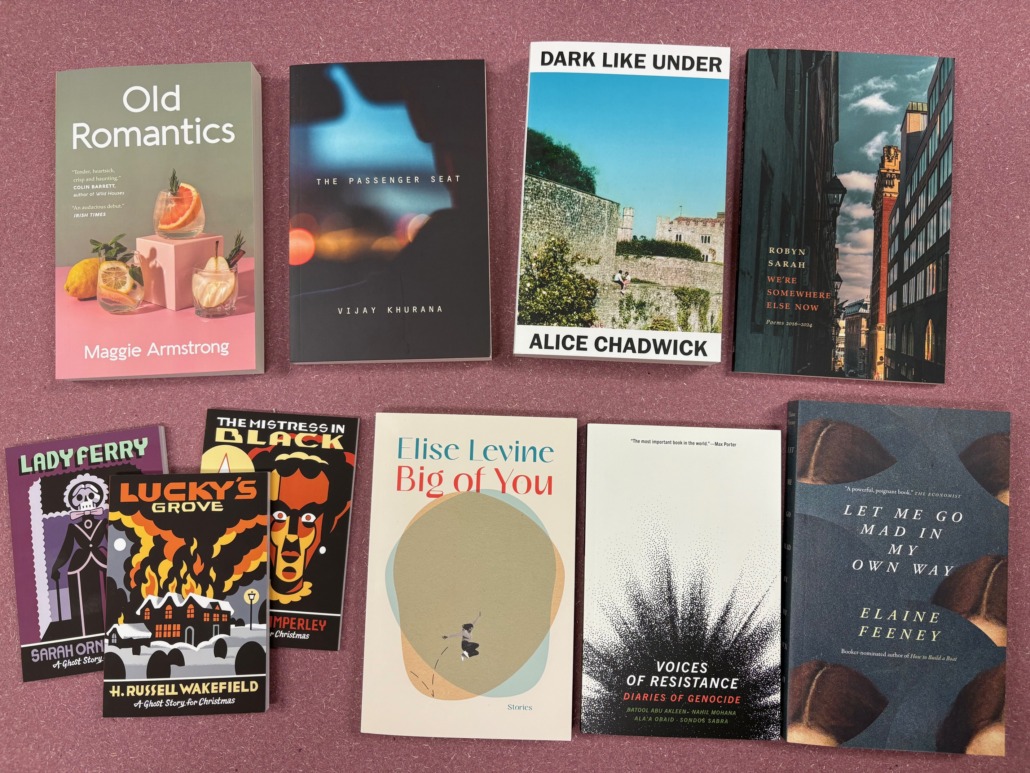
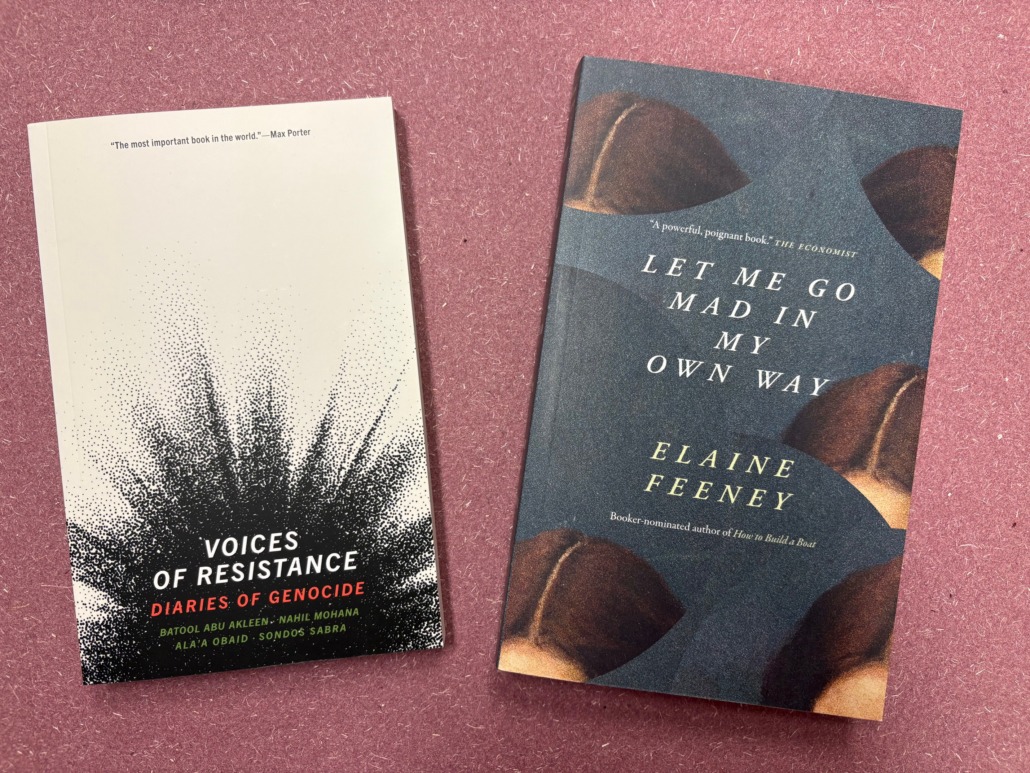
L: Voices of Resistance by Batool Abu Akleen et. al., designed by Ingrid Paulson. R: Let Me Go Mad in My Own Way by Elaine Feeney, designed by Kate Sinclair.

Let Me Go Mad in My Own Way by Elaine Feeney

Elaine Feeney hooked me from the title, which is taken from Anne Carson’s translation of Sophocles’s tragedy Electra, and she didn’t disappoint. This is a novel of immense depth and substance, interweaving the present grief and past trauma of a family with western Ireland’s violent history. Let Me Go Mad in My Own Way explores the difficulty of homecoming, the relationship between domesticity and femininity, the vicissitudes of love, and losing oneself in order to discover oneself anew. Expect lyrical, dazzling prose with incisive dialogue and a wry sense of humour.

Voices of Resistance: Diaries of Genocide by Batool Abu Akleen, Sondos Sabra, Nahil Mohana, and Ala’a Obaid

In the welcome proliferation of voices from Palestine receiving publication and translation, Voices of Resistance stands out as a deeply moving and powerful account of life in Gaza. Featuring the day-by-day diaries of four women—Batool Abu Akleen, Sondos Sabra, Nahil Mohana, and Ala’a Obaid—the book signifies a refusal to be silenced or erased and to let unfathomable loss and constant acts of violence give in to nihilism and despair. As the women suffer displacement and fear for their lives and those of their loved ones, they affirm community, solidarity, love, and hope for a different future. This is a must read.


Dominique Béchard

Publicity & Marketing Coordinator

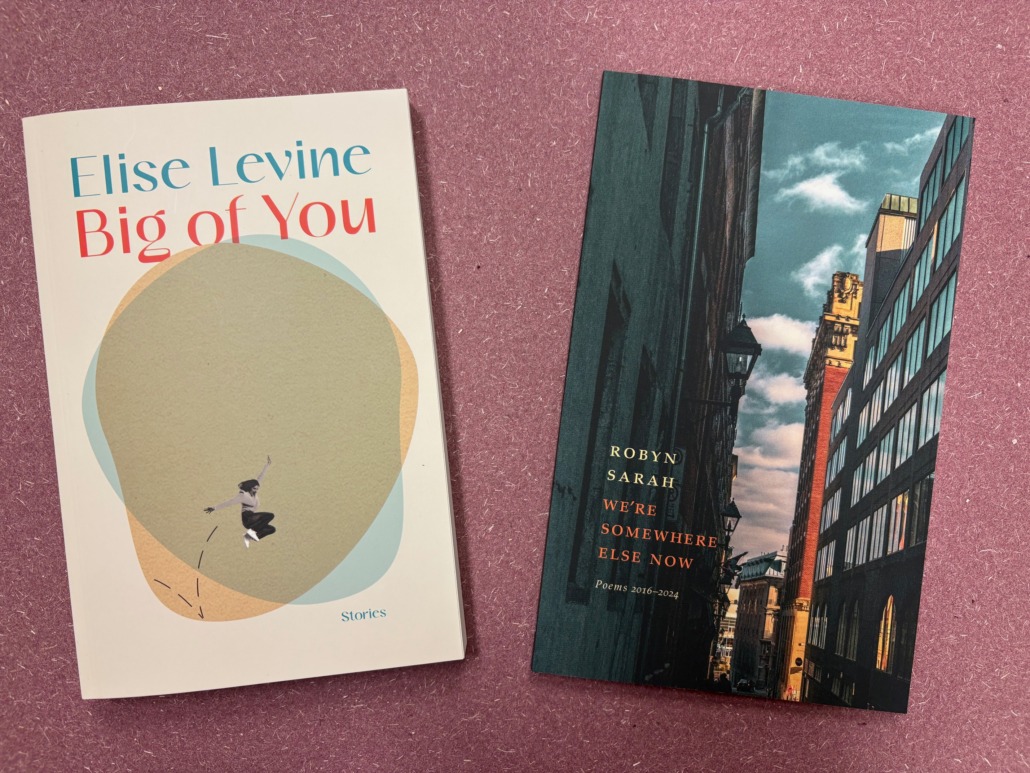
L: Big of You by Eline Levine, designed by Ingrid Paulson. R: We’re Somewhere Else Now by Robyn Sarah, designed by Vanessa Stauffer.

We’re Somewhere Else Now: Poems 2016–2024 by Robyn Sarah

You can’t go wrong with a Robyn Sarah collection. These are plainspoken, thoughtful, gently philosophical poems. I’m left with a warm uncertainty after reading them: everything cast by doubt, yet in a way that feels vital and forgiving. Favourite poems are “In the Medical Building Lobby Café,” “An Abdication,” and the long, final poem “In the Wilderness,” which turns from the lyrical precision of her earlier poems, towards something opaque, shapeshifting, and uncontainable.

Big of You by Elise Levine

The sentences are just so incredible—the ways in which they twist around their speakers, revealing a suite of strange, charismatic, deeply unique characters. Elise Levine writes like nobody else, which sounds like a throwaway thing to say, but trying to come up with a comp (or even a blurb) for Levine feels like a disservice to the breadth of her writing. The story “Cooler” blew up any preconceptions I had about what a short story could do, and the last story, “Witch Well,” broke my heart. If you’re bored with the millions of formulaic books out there, this is the one to bring back that old, fundamental love of literature.


Ahmed Abdalla

Publicist

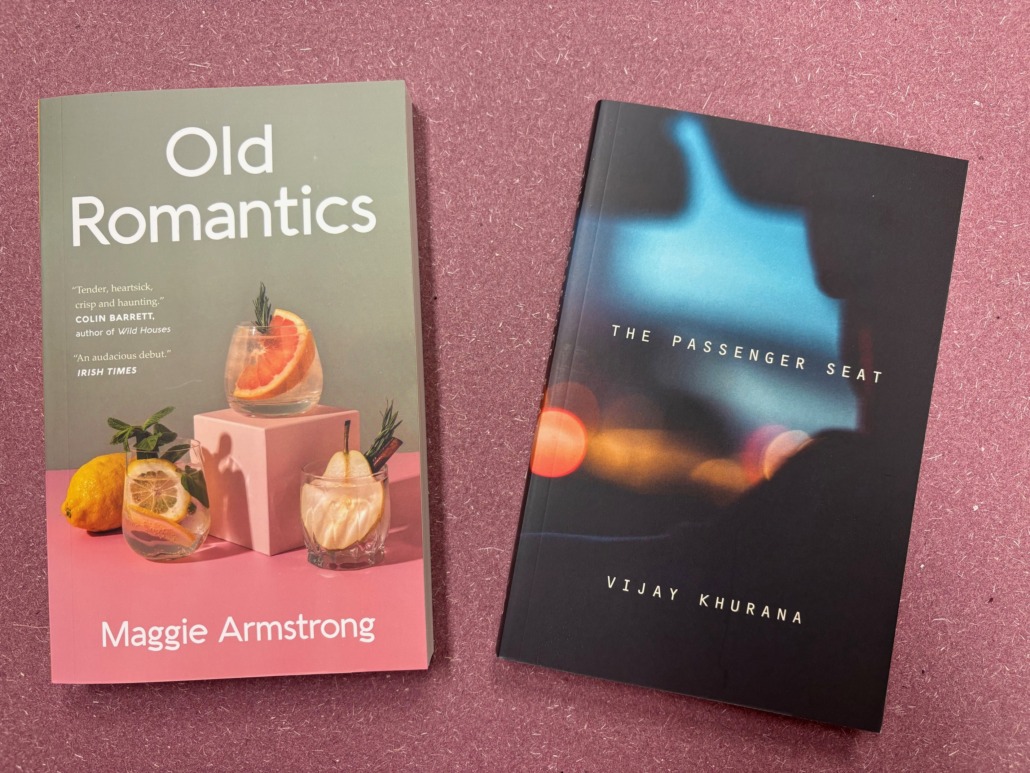
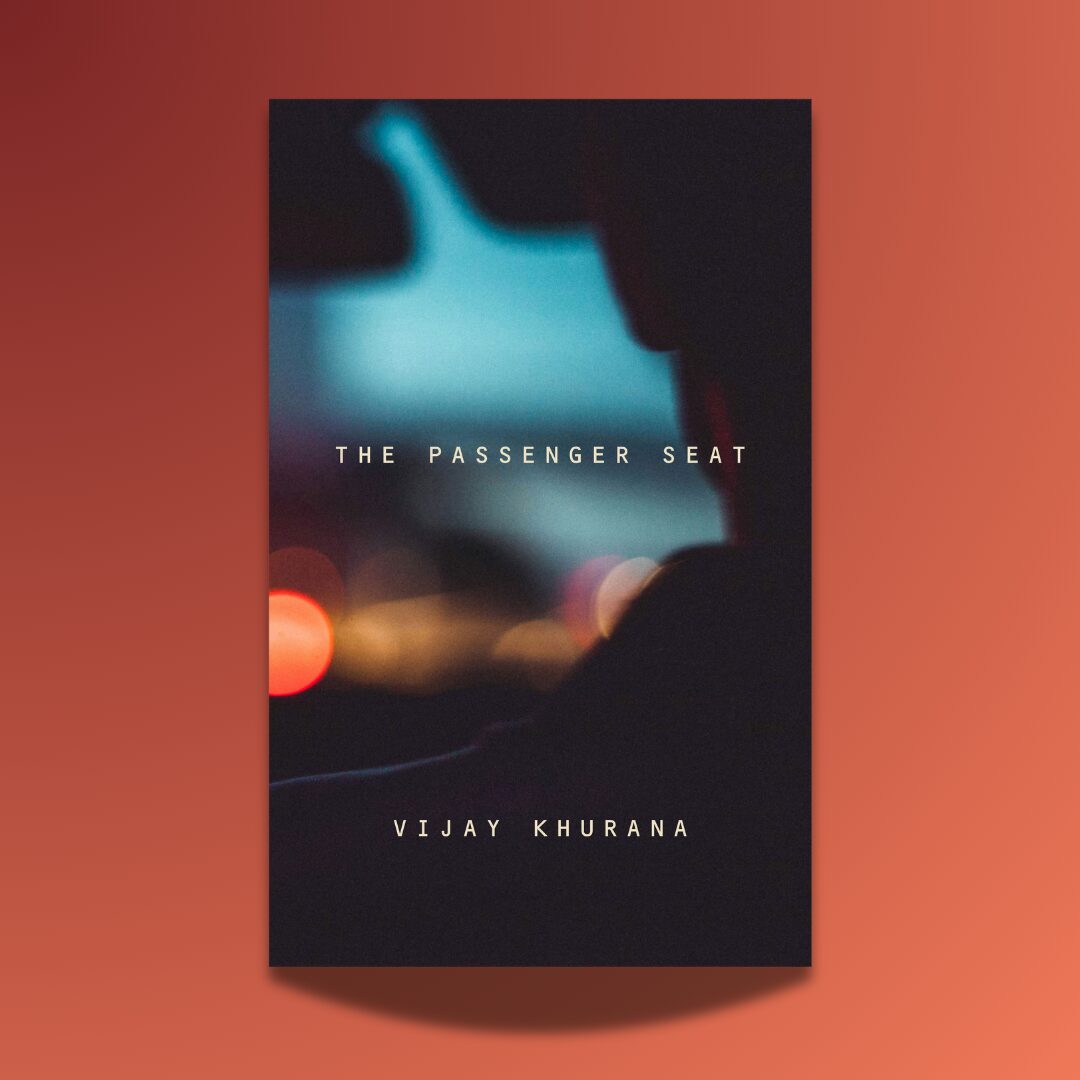
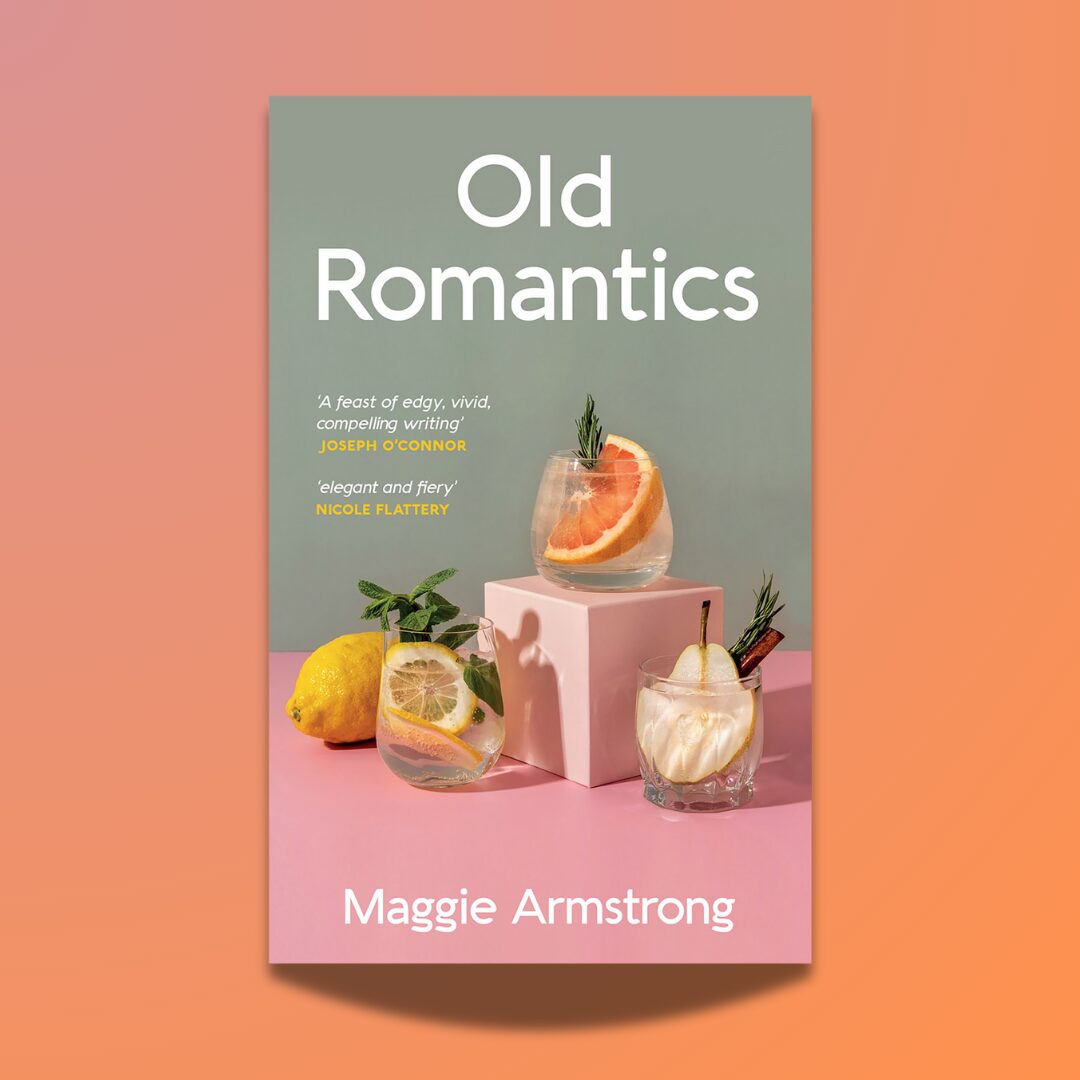
L: Old Romantics by Maggie Armstrong, designed by Fiachra McCarthy. R: The Passenger Seat by Vijay Khurana, designed by Zoe Norvell.

Old Romantics by Maggie Armstrong

Maggie Armstrong told me that an “old romantic” is a hapless fool who continually authors their own destruction by way of repeated mistakes and self delusion. They tend not to make good friends, but they are rich for fiction. Old Romantics is an arresting collection of linked short stories about one such hapless fool and about love’s beginnings and ends. The collection follows Margaret from young adulthood to middle age, depicting all the drama, heartache, and trivial misfortunes that come her way. These stories are delectable and addictive, with witty, sardonic lines and entertaining scenes, they made me laugh and cringe as I recognized in Margaret the fool I have sometimes been. It’s hard to talk about what makes something funny, but I hope you’ll trust me when I say Armstrong’s dark comedy is first-rate.“The Dublin Marriage” was a particular standout story for me and one I often go back to.

The Passenger Seat by Vijay Khurana

This was the first book I worked on when I started at Biblioasis, so I suspect it will always have some kind of hold on me personally. It’s a damn fine piece of writing that grabs you by the shoulders, shakes you, and engages in questions—about masculinity, violence, identity, loneliness—that we tend to shy away from. It’s about two young men on an aimless summer road trip and the murders they commit for reasons they can’t even explain. It covers uncomfortable ground and gives no easy answers, but reading Khurana is a pleasurable experience for his distinctive voice and how he renders the claustrophobia of being on the open road. Perhaps not the most festive of books, but it will linger in your mind for months, maybe years, maybe forever.


Ashley Van Elswyk

Editorial Assistant

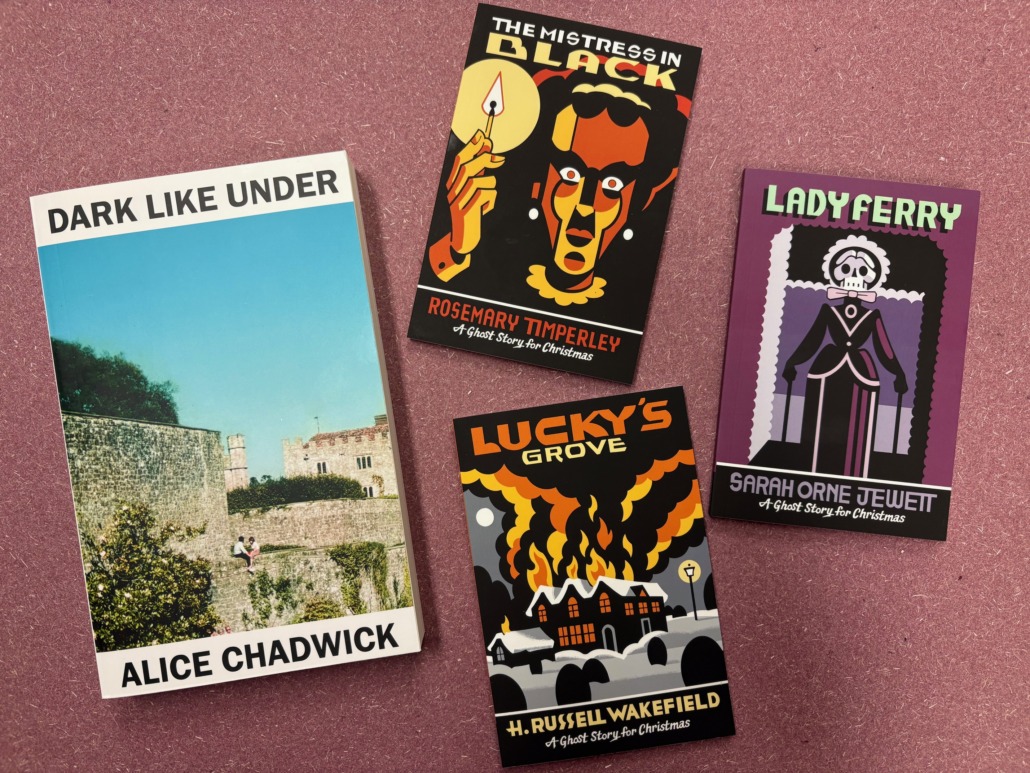
L: Dark Like Under by Alice Chadwick, designed by Kate Sinclair. R: Christmas Ghost Stories 2025, selected & designed by Seth.

Seth’s Christmas Ghost Stories 2025

I’ve been banging the drum for years about how fun these spooky little books are, and I’m at it again today! This year’s trio presents such a great range of ghost stories, and while the melancholic but beautiful Lady Ferry looks to be a favourite among readers, and The Mistress in Black is a tragic but cathartic schoolhouse tale not to be ignored, I’d have to say my personal pick is Lucky’s Grove, which involves a classic demonic haunting and takes place over Christmas (gather ’round the blazing tree!). And of course, I can’t go without praising Seth—this series wouldn’t exist without his fine illustrations, striking covers, and eye for classic ghostly tales.

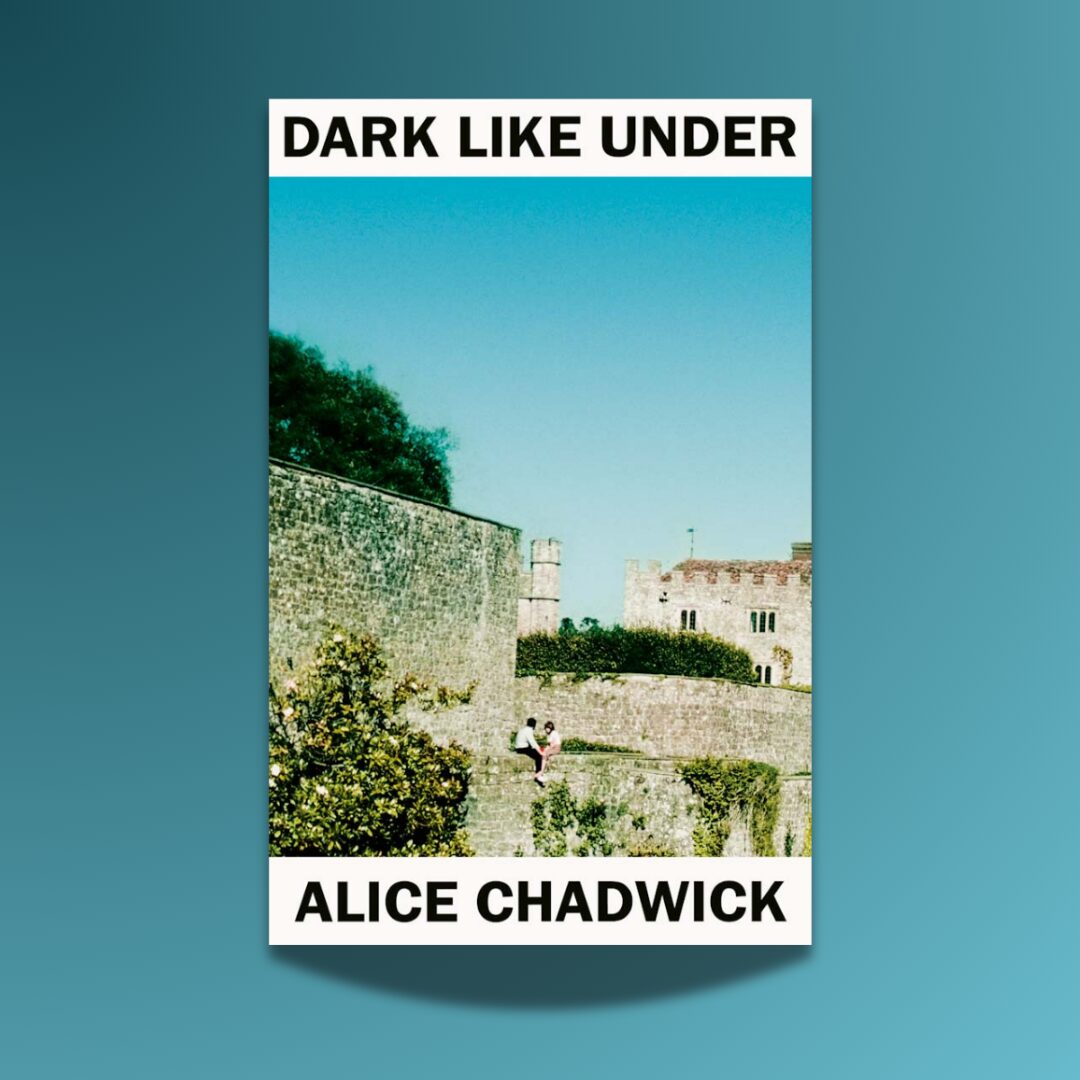
Dark Like Under by Alice Chadwick

We’ve published a number of stellar novels over 2025, but if I’m going to recommend one I was really drawn into, it’s Alice Chadwick’s debut Dark Like Under. In this circadian novel, Chadwick takes us through a single day following the students and staff of a rural English school in the 80s after the unexpected death of one of the teachers. The teens are restless, grappling with their own personal troubles and relationships with one another, and everyone is dealing with the sudden change in their lives. The characters of Tin and Robin are particularly fascinating to follow, complex but sympathetic. Chadwick’s voice is grounded and real, and there’s some truly beautiful writing in here as she deftly tackles grief, hope, and the hard path to moving forward.


In good publicity news:

The Bibliophile: 2025 Staff Picks

Want to get new excerpts, musings, and more from The Bibliophile right away? Sign up for our weekly online newsletter here!

***

In which! The crew of the good ship Biblio sails into the new year with a preview of some of their most anticipated 2025 titles. (Yes, we made them choose. No, they didn’t like it.)

***

Vanessa’s Picks


Cover design by Kate Sinclair.

Dark Like Under by Alice Chadwick

My new year’s resolution was to not complain about having to choose from among our books, and so I guess that’s all I’m allowed to say about that. Instead I’ll say how excited I am that we’ll be sharing Alice Chadwick’s debut with you. It’s a circadian novel, set over the course of a single day in the 1980s, and it follows a large cast of characters at an elite secondary school in a rural English town as they grapple with the surprising death of a beloved member of the faculty. It’s a book about resilience and connection, systems and resistance, renewal and what we leave behind, and a work of great poetic insight, keenly sensitive to paradox: that the old ways oppress while the ancient can illuminate, that the pastoral can be claustrophobic as well as restorative, that time is both a line and a circle. The form itself works into and against the conventions of Western narrative, the Western mind: in following the hours of the clock, around which human action revolves, we are reminded that although the earth turns circles inside of circles, somehow we still believe we travel a straight line, even in spite of having watched the hands sweep around and around. It’s the kind of fiction, and vision, that is for me the antidote to the disaffected irony and fashionable despair of a great deal of contemporary fiction, a book that risks all those old-fashioned ideas: generosity, forgiveness, love—even hope.

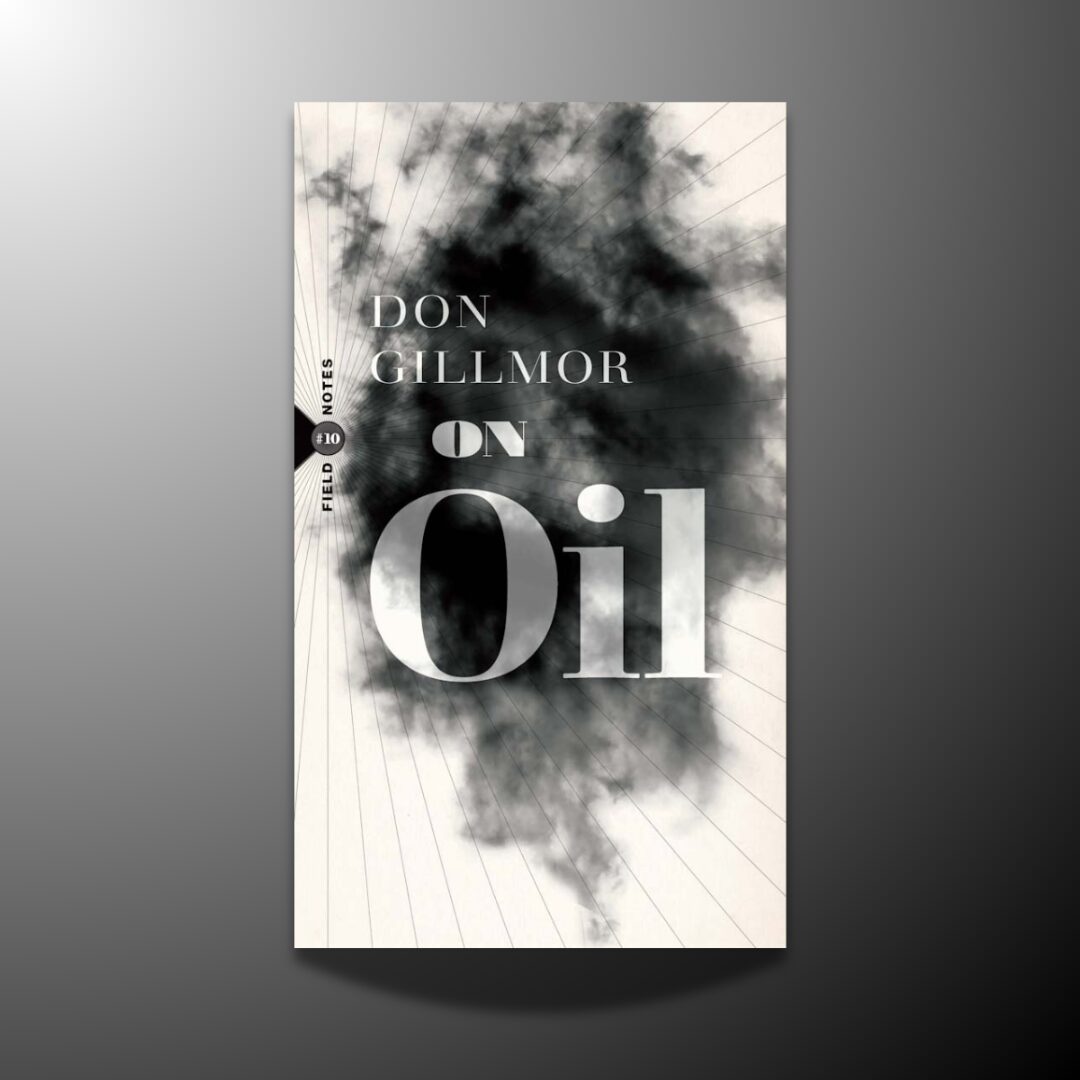
Cover design by Ingrid Paulson.

On Oil (Field Notes #10) by Don Gillmor

If you’d told me a year ago that I would spend a late afternoon inhaling a nonfiction book about the history and culture of oil in North America, stopping only because it was time for dinner and picking it back up to finish as soon as the dishes were done, I’d have been, admittedly, surprised. But if you’d told me Don Gillmor was the author, I wouldn’t have argued. Gillmor, a novelist, memoirist, historian, children’s author, journalist, and, it turns out, former roughneck, can do just about anything. In On Oil, Gillmor draws on the latter two professions to chart the rise and imminent fall of the oil industry, beginning with firsthand experience on oil rigs during the seventies oil boom in Alberta and traveling across the continent and then the globe to show the complex and maddening means by which oil has captured government interests and profoundly impacted—for better, and more often for worse—life on Planet Earth. The picture, I found out, is both more and less grim than one might think, but I’ve always been with Francis Bacon on difficult truths: knowledge is power.

***

Ahmed’s Picks


Cover design by Zoe Norvell.

The Passenger Seat by Vijay Khurana

This was the first book I read as an official Biblioasis employee and I was floored. It was the prose that first did it, beautifully tense, controlled, electric. And then the questions this novel raises—about masculinity, violence, personal responsibility—all lingered in my mind for weeks after. We follow two young men who hit the road with no real plan other than to get away from their lives and their town. But, moment by moment, we see how they become more and more violent, until they cross a line from which they can never return. It’s all a game to them and it makes you wonder if we could ever learn anything from those who commit such violent acts. There are no neat and tidy answers, but I think that’s what’ll keep me coming back to this book. It’s a tragic story that stays with you because it insists we don’t look away anymore.

Cover design by Ingrid Paulson.

On Book Banning (Field Notes #9) by Ira Wells

The increase in book bans across the country is startling and alarming. Some people want to ban books with LGBTQ+ characters because they think those books are indoctrinating their children. And some people want to ban classics and important contemporary works because they contain language deemed offensive today. I wonder what books will be left on the shelf. Probably bland ones. With the forces of censorship seemingly getting stronger, I’m really grateful for what Wells does in this short book. It’s both a history lesson and passionate defense for the right to read. From ancient to recent cases, Wells walks us through the history of censorship and shows how and why book bans are making a comeback. On Book Banning is an excellent distillation of how we treat books today and how book bans are connected to the need to control others. It’s a useful reminder of why the freedom to read is crucial and what we lose when it is taken away. A very important read today and, I think, for the years to come.

***

Dominique’s Picks


Cover design by Ingrid Paulson.

Baldwin, Styron, and Me by Mélikah Abdelmoumen, translated from the French by Catherine Khordoc

I read Baldwin, Styron, and Me in two sittings; the book’s hybrid form is addictive—it’s at once a memoir of Québecois identity, a literary history of the friendship between James Baldwin and William Styron, and a thoughtful critique of race, cultural appropriation, and the possibility for meaningful disagreement and debate. Abdelmoumen is a champion of resisting certainty, and her commitment to this is refreshing and inspiring (and important as we enter the increasingly politically-fraught new year).

Cover design by Ingrid Paulson.

UNMET by stephanie roberts

I’ve already read this collection a few times, and it’s impressive. roberts’ poems lean against surrealism without losing their humanity, their creatureness, their affinity for the real. And these sentences are just so pleasurable to read: they sinew and worm into a world-expanding illogic. I’ll be reading her first collection, rushes from the river of disappointment, soon. I’m thrilled UNMET is making its way into the world next year; I think roberts is one of Canada’s best, most original voices.

Cover design by Ingrid Paulson.

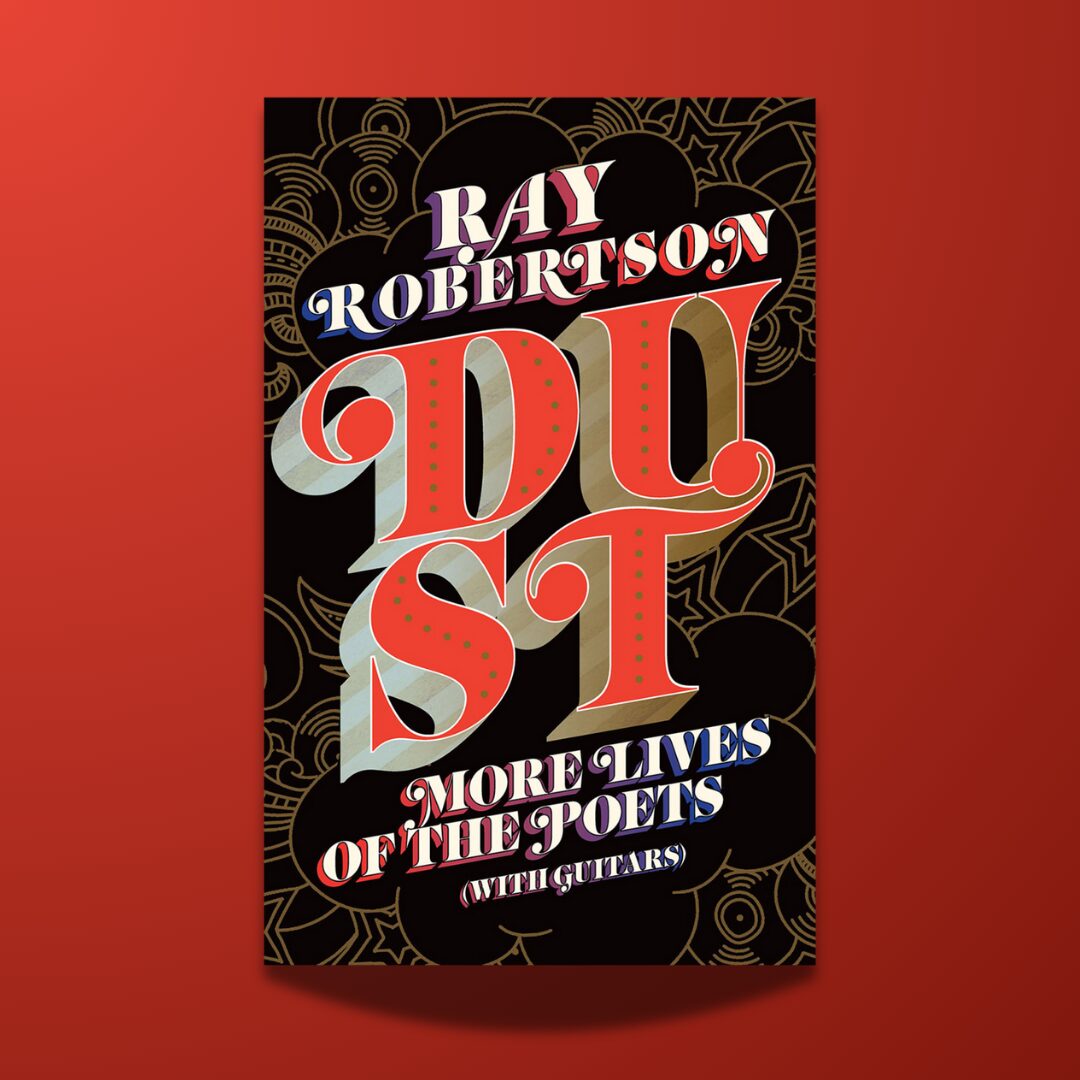
Dust: More Lives of the Poets (with Guitars) by Ray Robertson

I love reading about music almost as much as listening to it. And Robertson writes from a loving, considerate space that avoids the hyper-analytical, that instead creates a kind of music to live alongside the music. I can tell from this book’s setlist (Alex Chilton, Captain Beefheart, Muddy Waters, etc.) and from his previous Lives of the Poets (which includes some truly beautiful pieces on Gram Parsons and Townes Van Zandt), that this book will be a fount of joy and discovery for me in the new year.

***

Ashley’s Picks


Cover design by Natalie Olsen.

Heaven and Hell by Jón Kalman Stefánsson, translated from the Icelandic by Philip Roughton

Your Absence Is Darkness was one of my favourite reads of last year, so I was quite pleased to find out that we’re not only publishing more of Stefánsson’s work, but a full trilogy is on the way. Heaven and Hell is a brilliant start to The Trilogy About the Boy, with everything I loved from Your Absence returning here, in perhaps what some might find a more accessible introduction to his writing (translated in excellent form by Philip Roughton). Stefánsson has this way of describing the world—from the way two distant lovers look up at the same moon, to the chill of a stormy ocean soaking a man to the bone, to the slow loss of sight—that really strikes a reader, and makes me consider things in a different way. It’s poetic and straightforward, and complements the emotions woven through the story, of the boy’s struggle with life or death, and the ways in which he connects with the people around him and remembers those who have passed. I look forward to reading more of this journey.

Cover design by Ingrid Paulson.

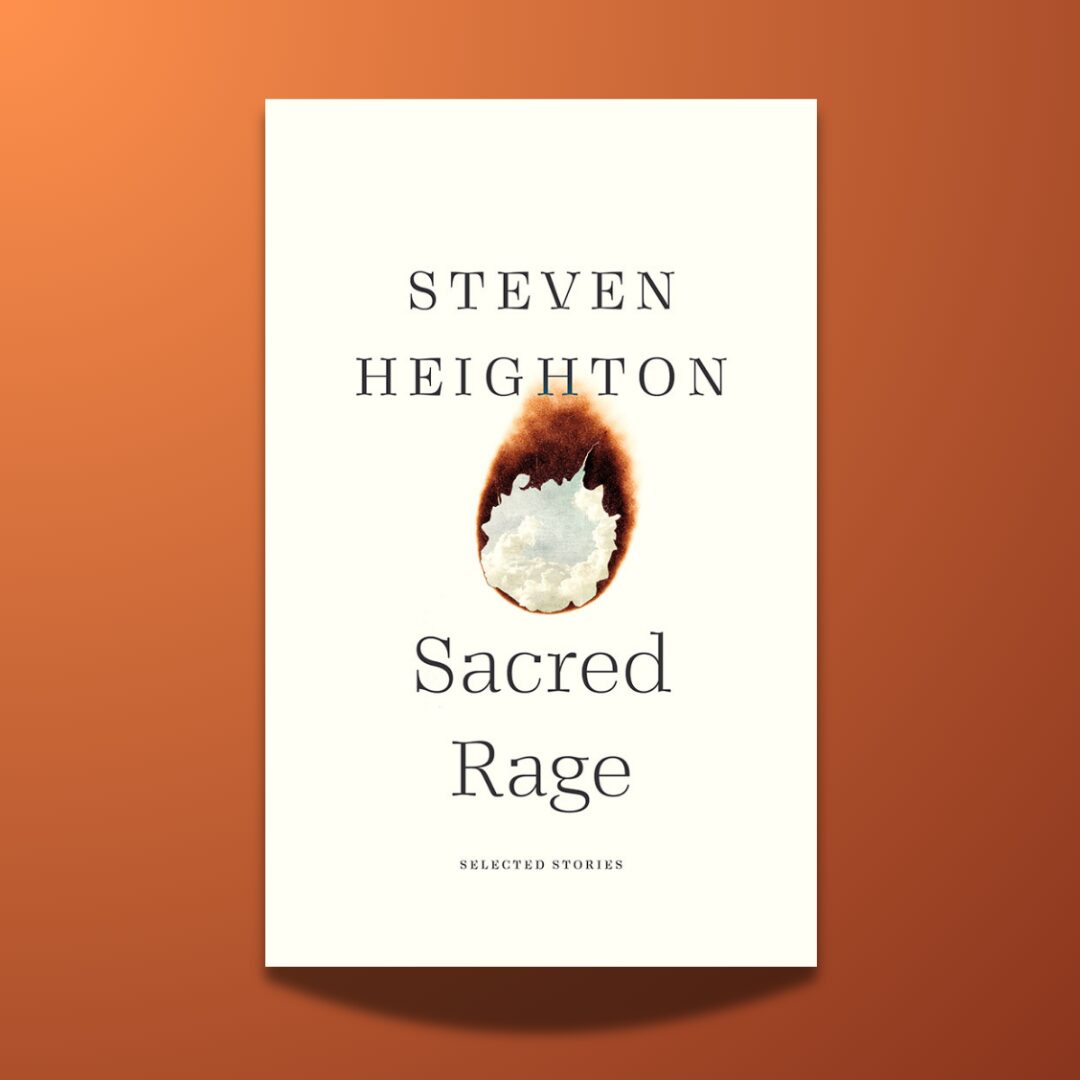
Sacred Rage: Selected Stories by Steven Heighton

I first learned of this forthcoming collection of the late Steven Heighton’s stories in the form of a handwritten table-of-contents, passed along from editor John Metcalf, to our publisher Dan, and then along to me—for compilation. Consequently, I’ve gotten to know this collection quite well already, having spent the last few months gradually acquiring, scanning, and cleaning up the converted text of a majority of these stories from older editions without available digital files. Heighton takes his readers across the world, from the back kitchen of a chicken restaurant to an onsen in Japan. Reading a collection in bits and pieces, before it’s been neatly woven together in order and packaged in its usual final book form, is a strange but exciting experience; I can say I’ve read Sacred Rage already in one sense, but what I’m looking forward to most is the day we receive our printed copies in-office, so I can finally sit down and enjoy these brilliantly written short stories—without the need to hunt for missing characters and lost italicizations—and be properly reintroduced to Heighton’s best works.

***

Emily’s Picks


Cover design by Natalie Olsen.

Near Distance by Hanna Stoltenberg, translated from the Norwegian by Wendy Harrison Gabrielson

I’m not a reader who is typically drawn to a domestic drama or narrative centered around motherhood. Don’t get me wrong, I’ve read plenty of amazing literary books about just these things—but they’re rarely a narrative I find myself naturally delighting in. I was surprised and delighted as soon as I opened Near Distance by Hanna Stoltenberg (trans. Wendy Harrison Gabrielson). Taut and sparse, it’s the story of a mother (Karin) who has largely opted out of her daughter’s (Helene) life. When Helene asks Karin to travel with her to London, the result is an emotionally tense and very uneasy road trip story. It’s cold, sparse, and elegant, and made me chuckle darkly several times. What luck to start 2025 with such a beautiful and understated bang—Near Distance would have been a one sitting read for me had life not interrupted.

Cover design by Fiachra McCarthy.

Old Romantics by Maggie Armstrong

If you read our holiday Bibliophile, you may remember I’m a short story superfan. I won’t wax poetic about the form again, but you need to know that Old Romantics is a remarkably good story collection made even more remarkable by the fact that it’s debut. From the very first story, Maggie Armstrong made me laugh out loud in recognition (I mean we’ve all either been someone or known someone whose terrible boyfriend wouldn’t even chip in for a slice of pizza, right?) Witty and wry, the stories offer a distinctly literary and nuanced take on the popular “sad girl” genre. As I read through, I recognized shades of Fleabag and Halle Butler in the character variations. And impressively, while the stories stand alone taken together they are “a novel in stories” about an artist’s growth and maturity. Every character’s name is an alternative form of “Maggie,” and the reader gets the sense they’re watching the author grapple with Irish patriarchy and history in real time. When you pick up Old Romantics you’re not only picking up a very good book—you get to enjoy the next great voice in Irish literature.

***

Dan’s Picks


Cover design by Ingrid Paulson.

I’m no more able to tell you what my favourite books for 2025 will be than I was able to declare my favourites from the past year. This is complicated further by the fact that the 2025 list is still taking shape. We’re still reading in the hopes of locating an international title or two for fall, and there are a handful of Canadian titles that may or may not be ready in time for the latter part of the 2025 season. And we have at least one title that we’re not in a position to announce anything about quite yet, though I promise it will stir things up something fierce.

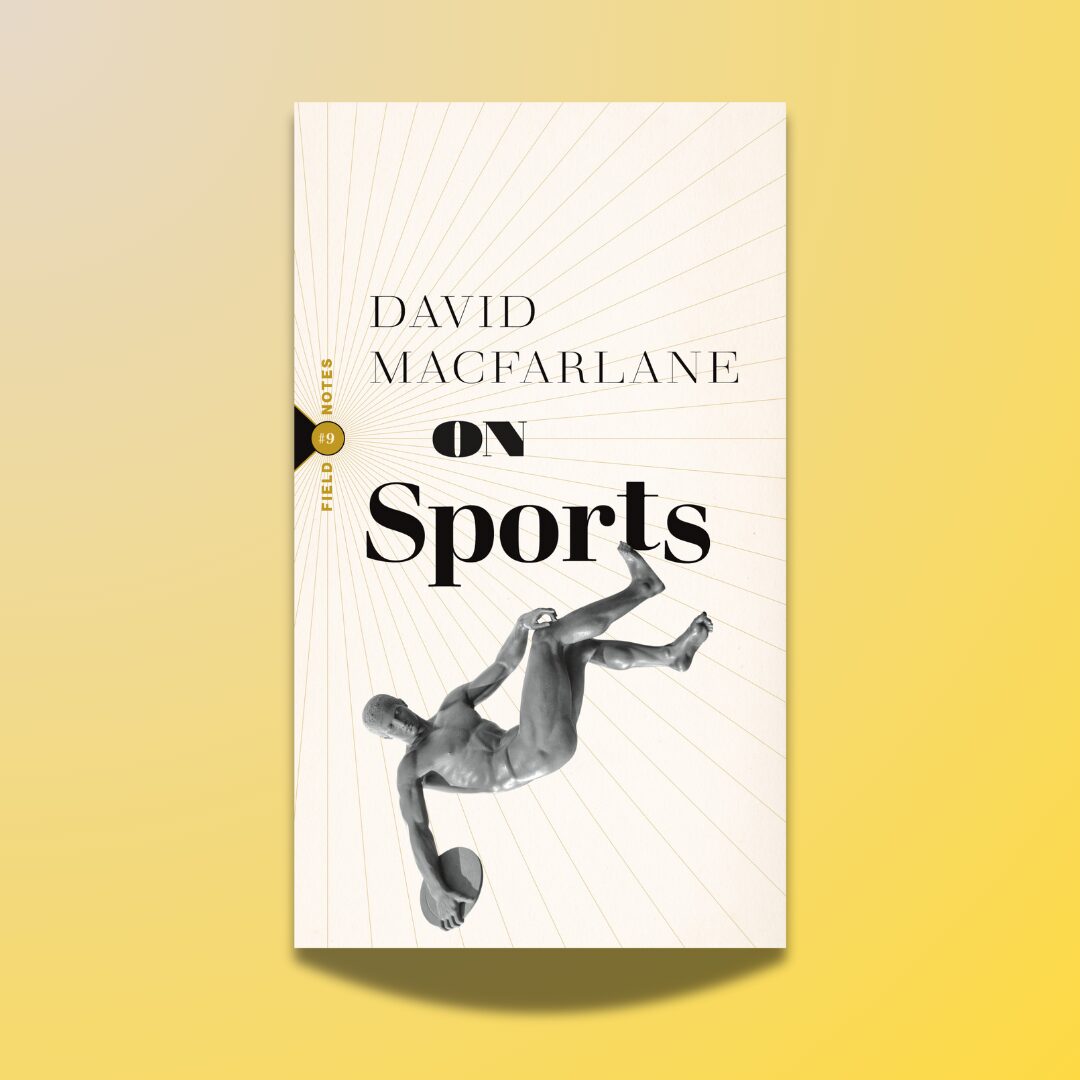
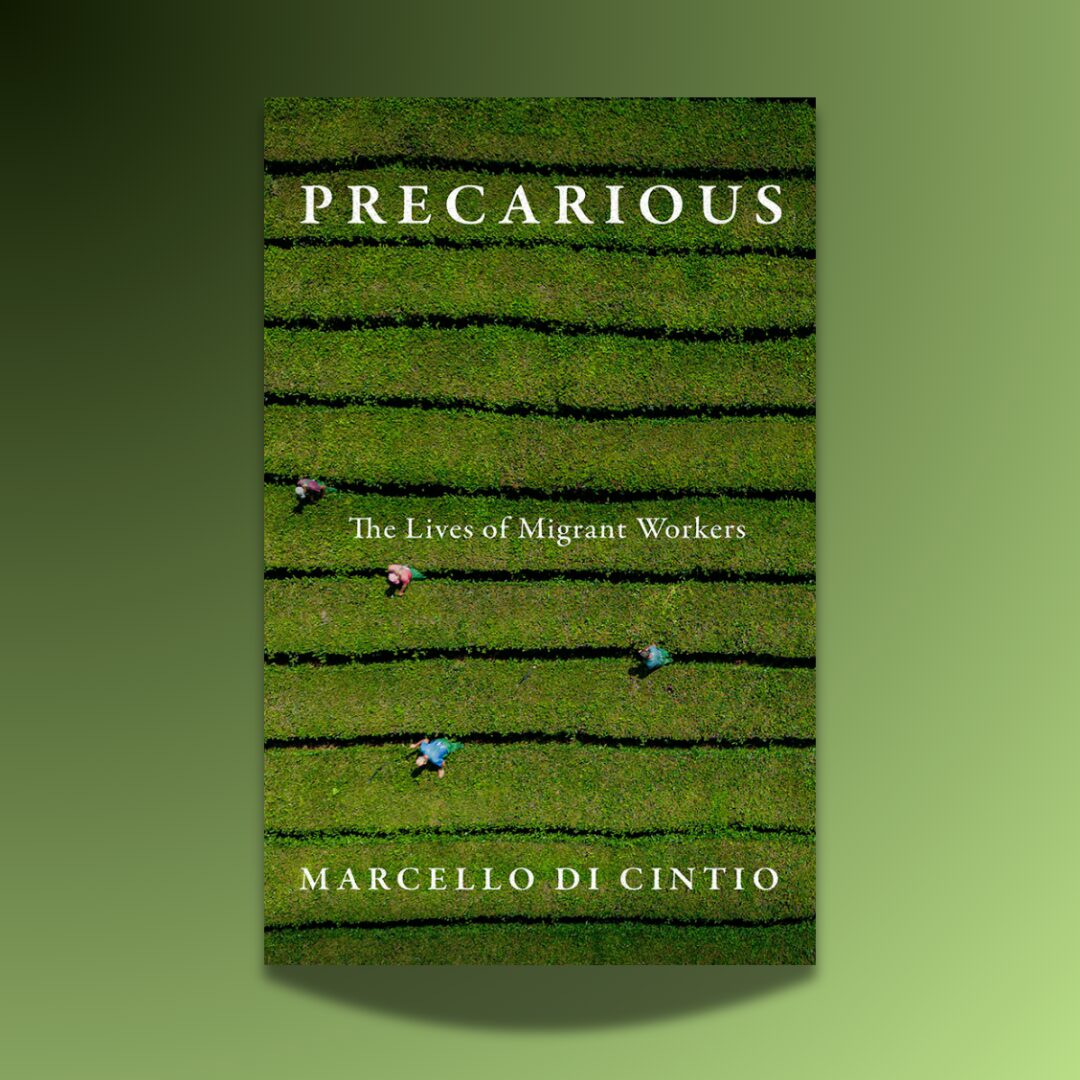
What I can promise is a list that rivals all others before it, brimming with exceptional works of short fiction and novels and poetry and translations and history and cultural and social criticism, our yearly Best Canadian anthologies, and seasonal ghost stories (with a special addition in that department, to be revealed at a later date). It’s a heady mix of the new and familiar. As difficult as it is for me, I won’t repeat anything about the titles that others have highlighted above (except to say that there isn’t a person reading this who shouldn’t have Jón Kalman Stéfansson’s Heaven and Hell high on their to-be-read list: this series, of which this is only the introductory volume, is one of the great modern classics by my estimation, finally available here for the first time). But there are a few forthcoming titles from this fall that most staff haven’t had the opportunity to read quite yet. These include Russell Smith’s long-awaited and quite savagely propulsive new novel Self Care, about a young woman who gets involved, against her better judgement, with an incel; there’s a meditation on the spirit of sport in a new Field Note, On Sports, by David Macfarlane, that captures well my own ambivalence about what has long been one of my very favourite things; there’s a new work of memoir/cultural investigation by Elaine Dewar, tentatively titled Growing Up Oblivious in Mississippi North, about which I should say little else for now; and an important, timely, and moving investigation into the lives of migrant workers in Canada in Marcello Di Cintio’s Precarious. With, as I said, more to come.

Cover design by Kate Sinclair.

The best way to ensure that you don’t miss any of these publications is to either pre-order them from your favourite independent (it’s so easy to do, especially with those shops that use the Bookmanager interface), or to take out a subscription directly from the press: we have several options available, that cover all aspects of our list. There’s no better way to ensure that independent publishers can continue to do the work that we do in this increasingly precarious time.

***

In good publicity news: